August 2026 Summary
2026-09-05
My weekend focus in August was everywhere except on my tech projects from the past months. Some notable events in August:
- AC fixed
- Bathroom sink replaced
- Started feeding the local birds
- Weekend gaming group started back up
- Hyper-focused on the ammo-related hobby for much of my free time on the weekends
Paper Punches — August 2026
2026-08-31
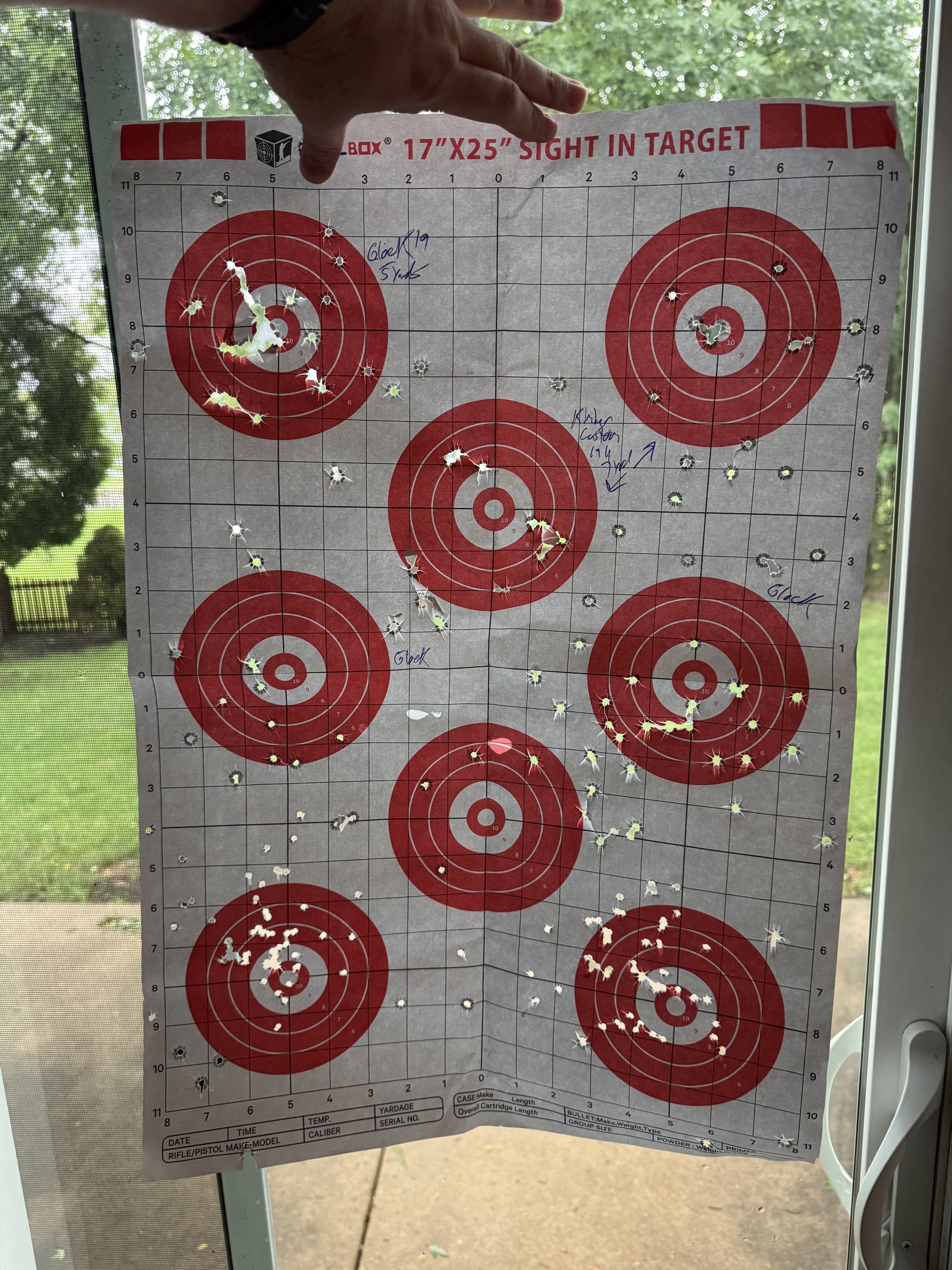
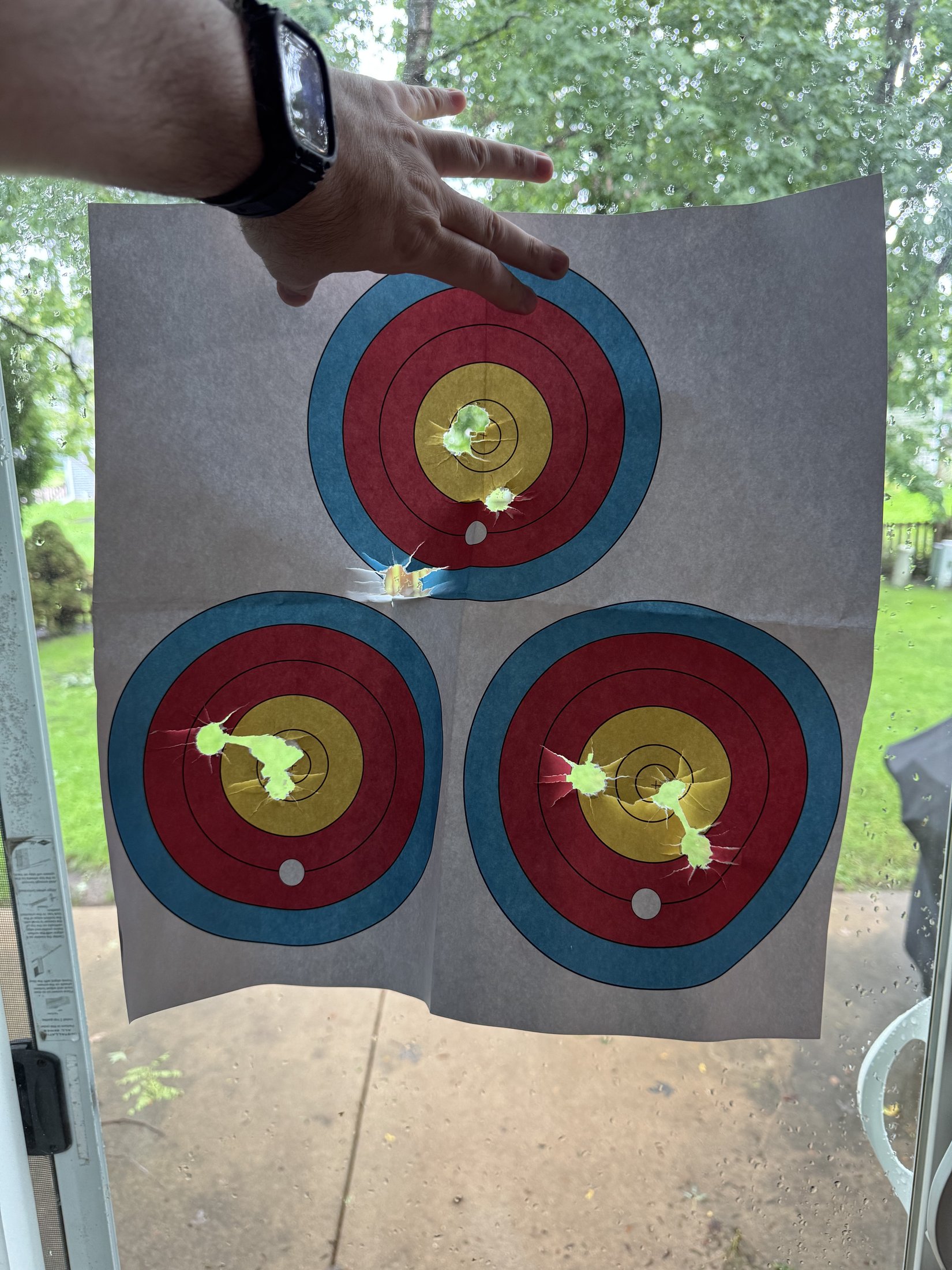
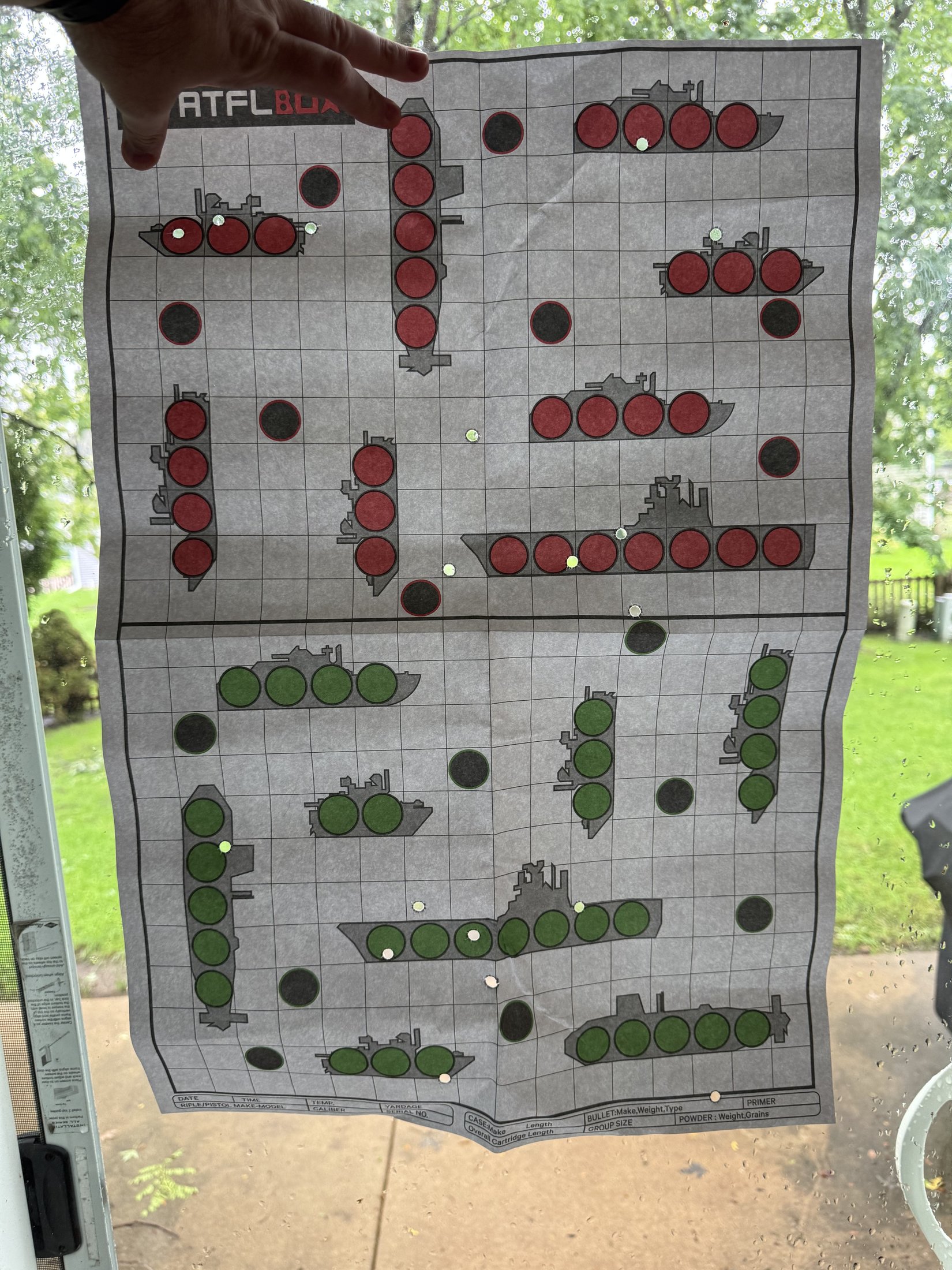
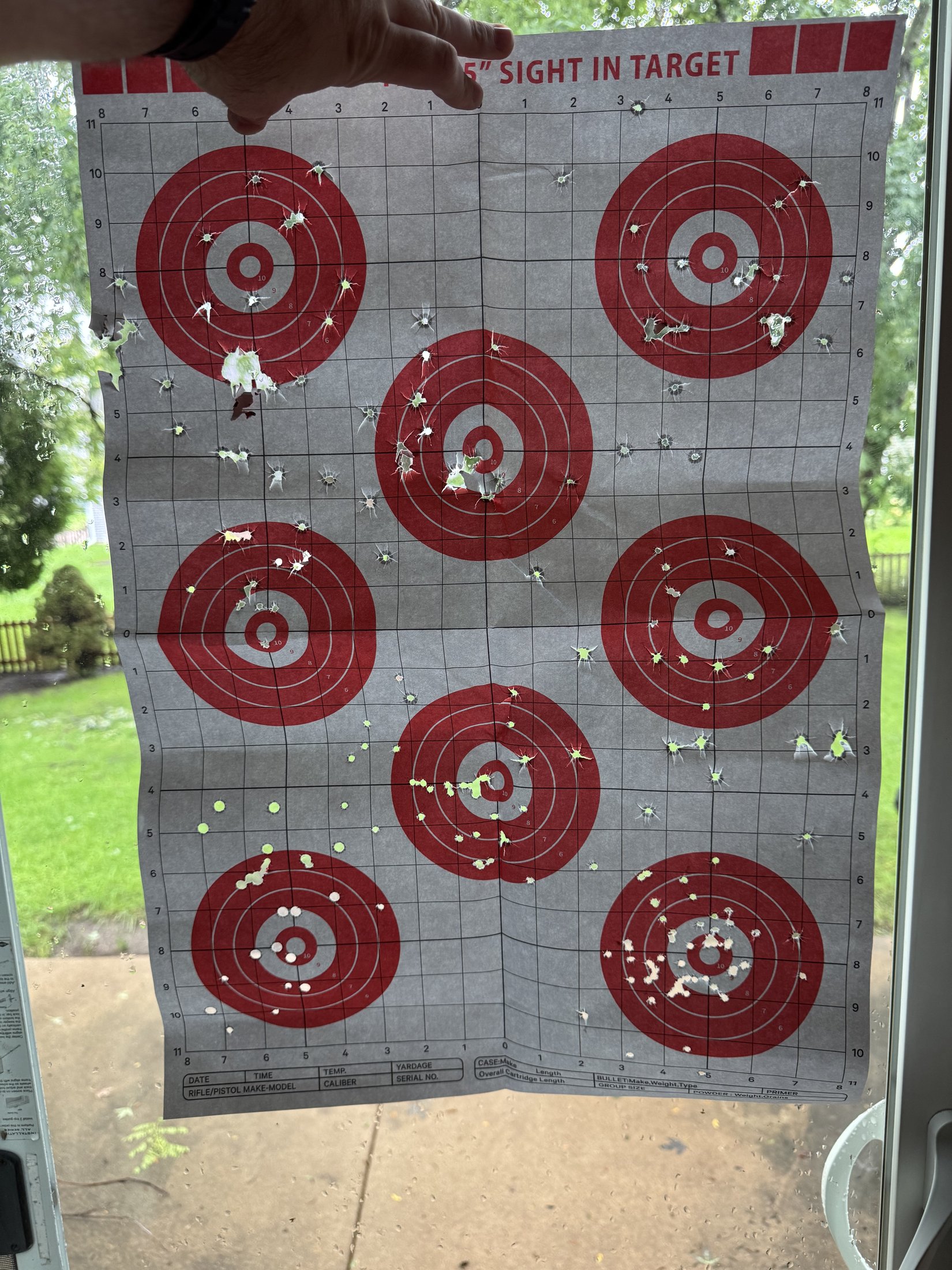
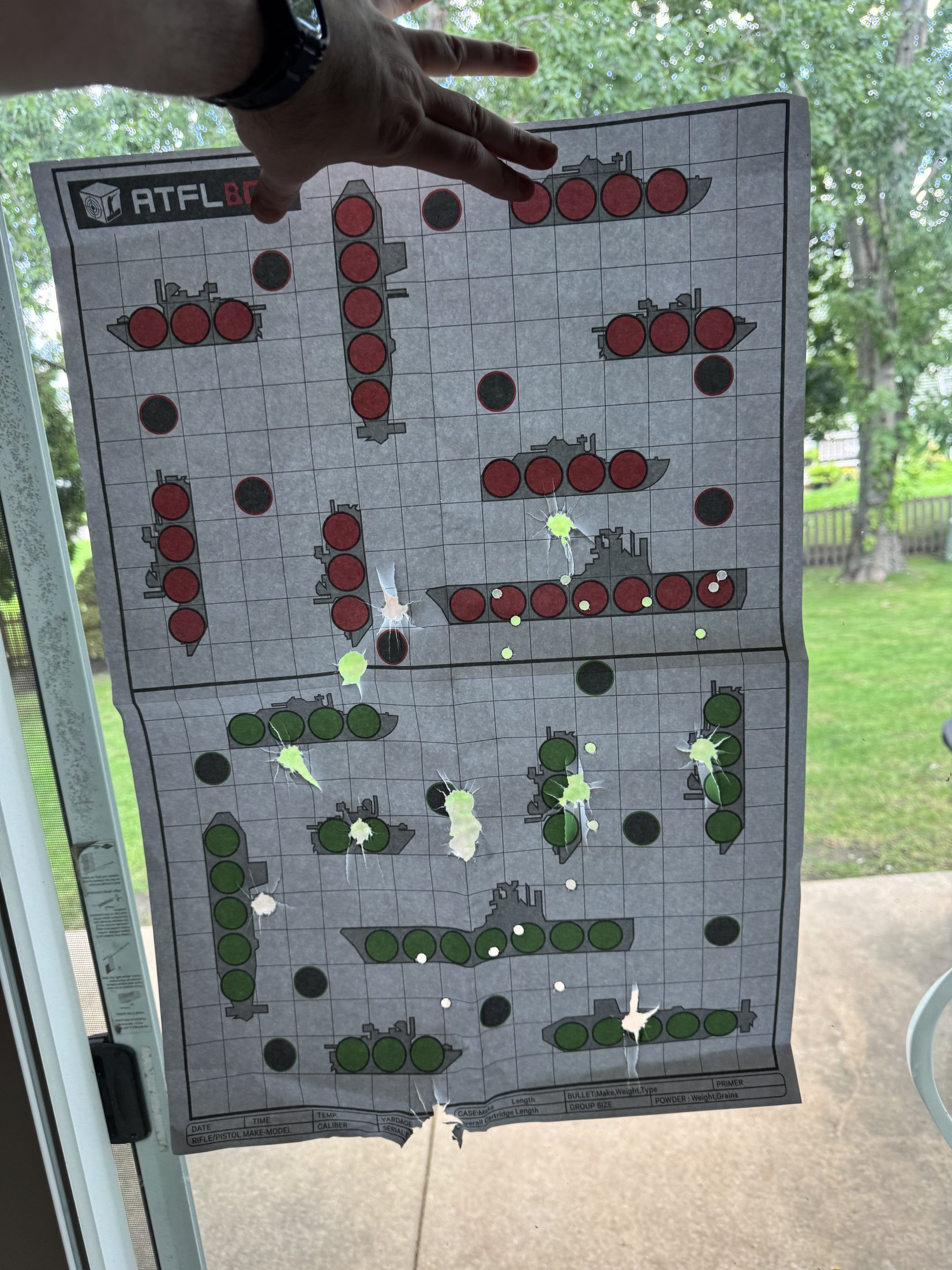
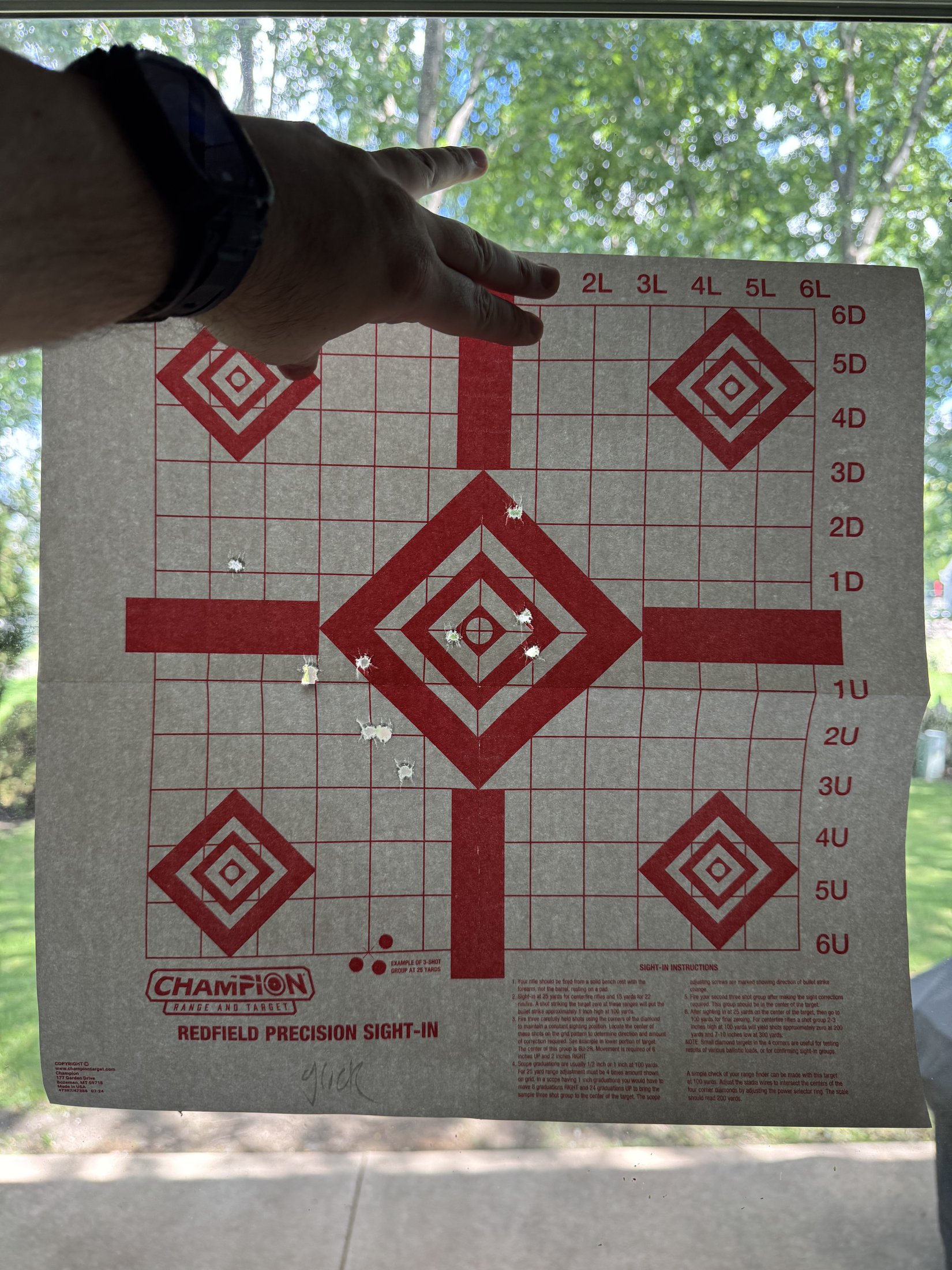
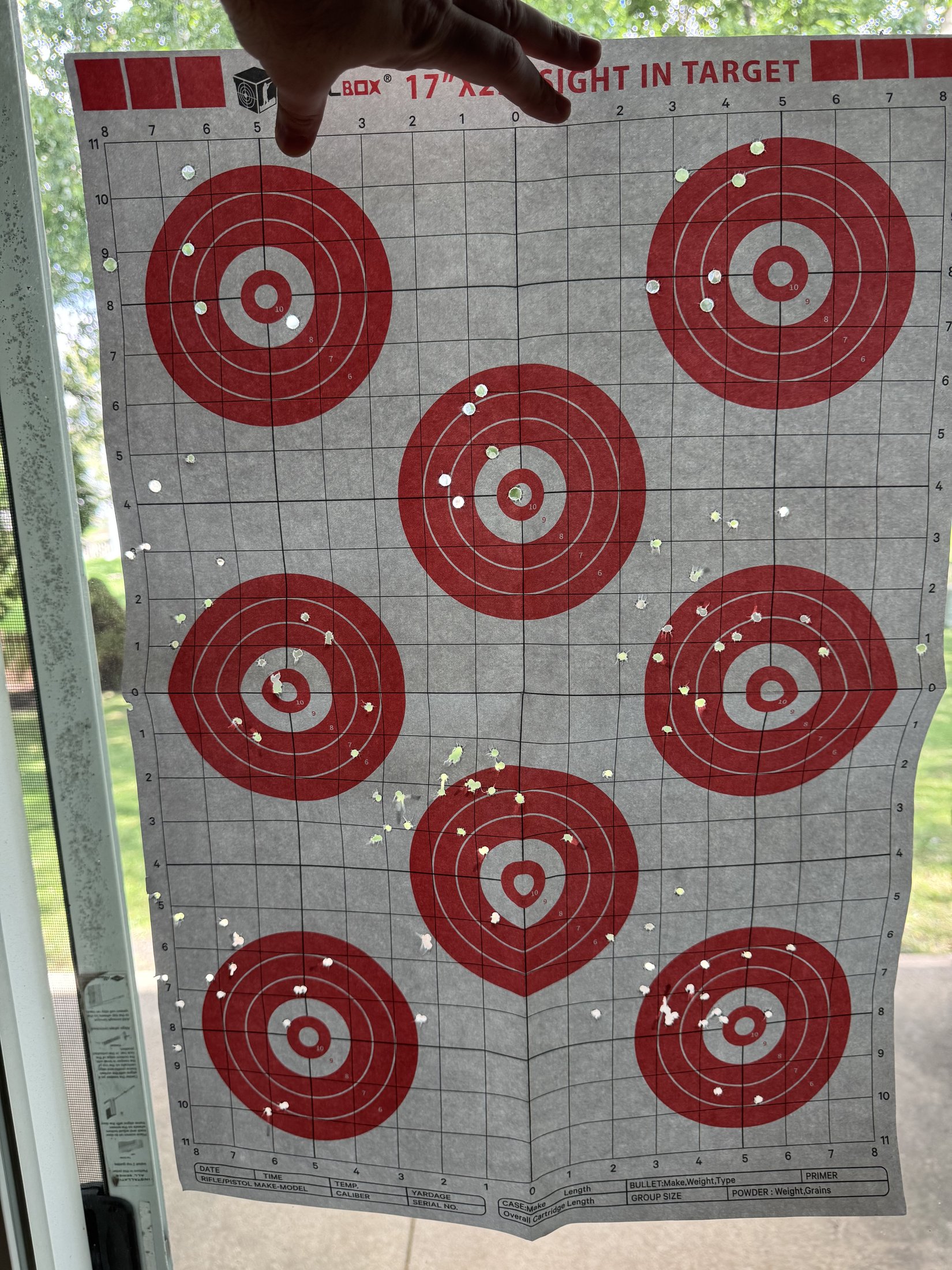
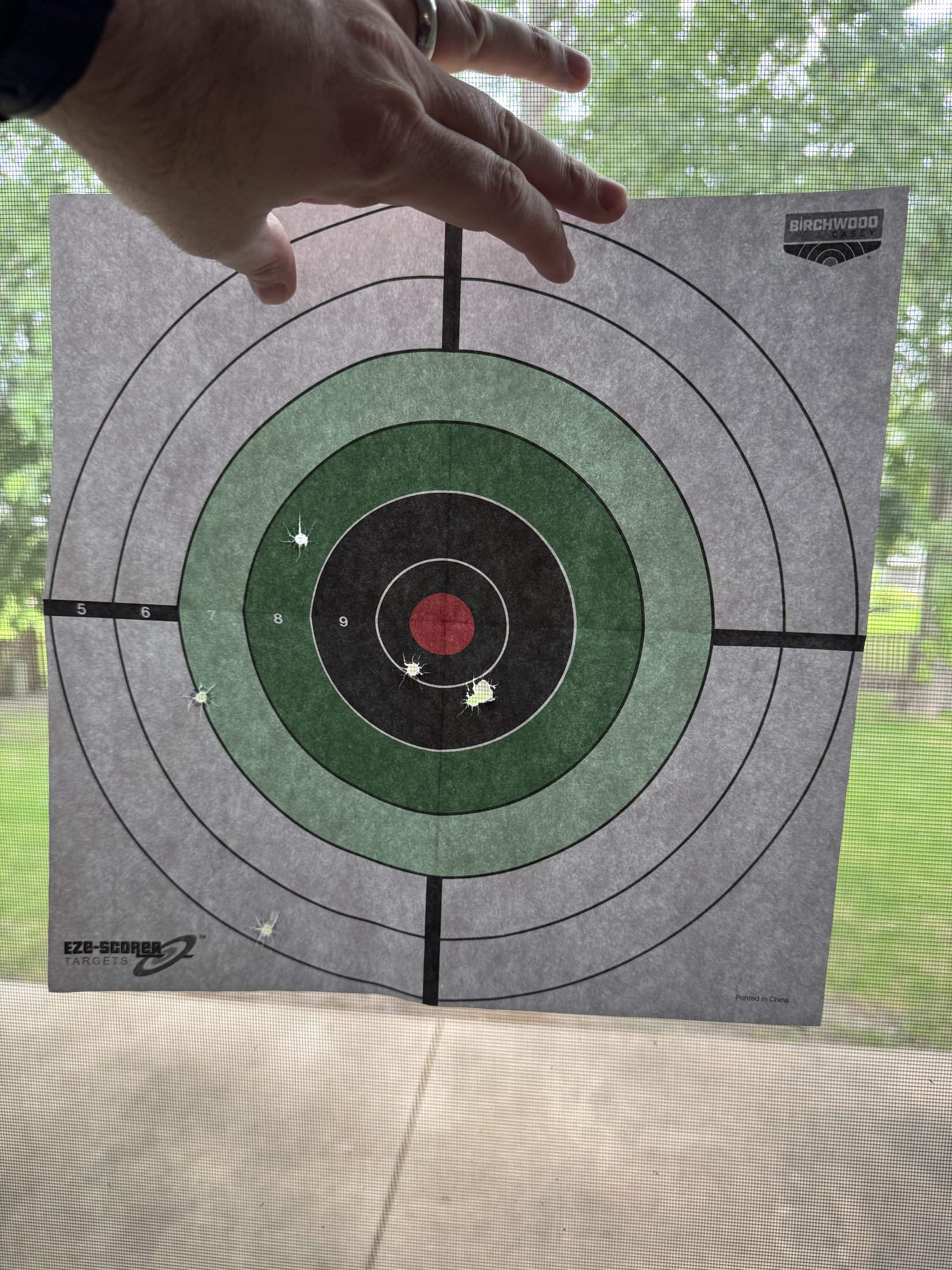
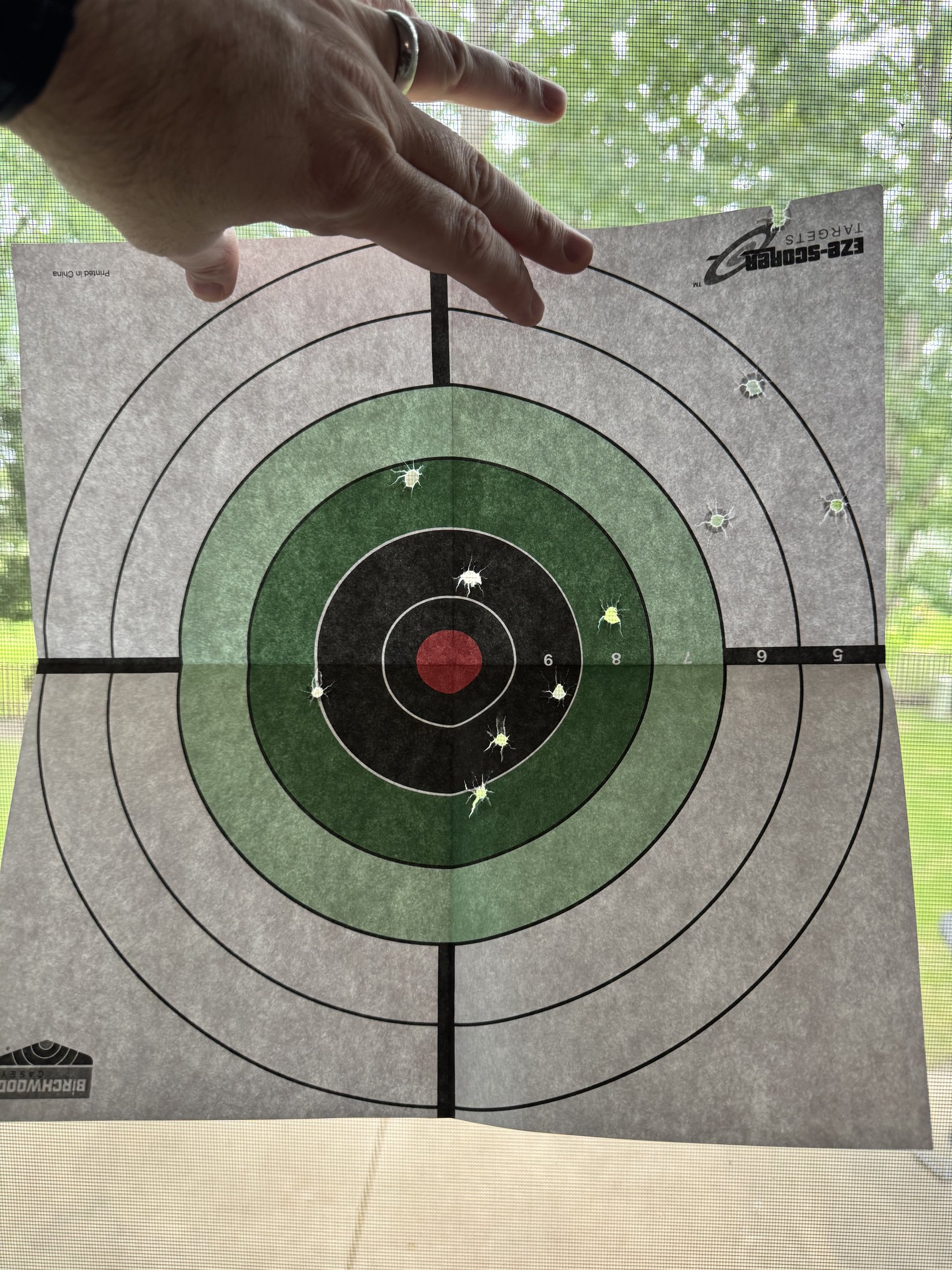
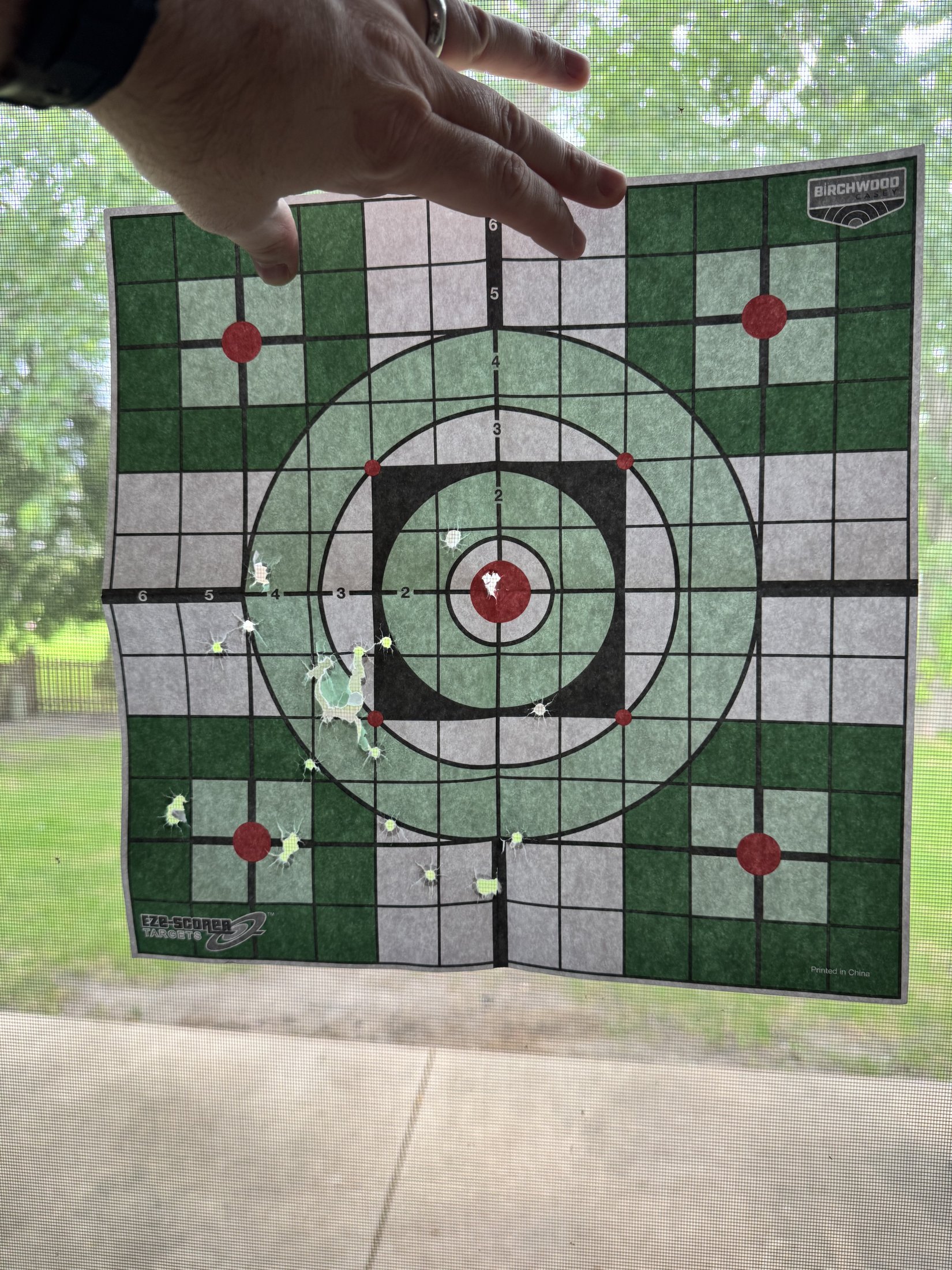
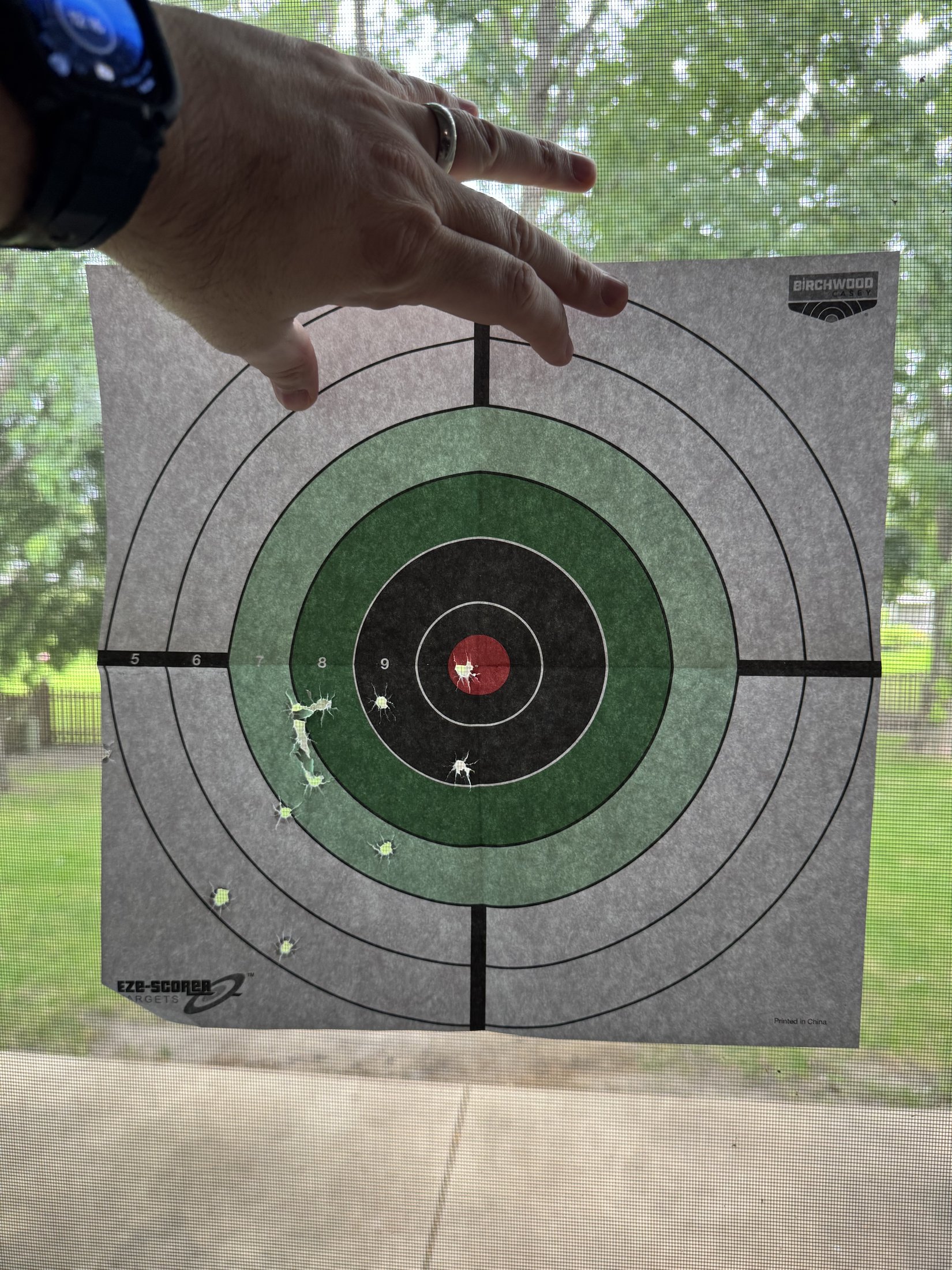
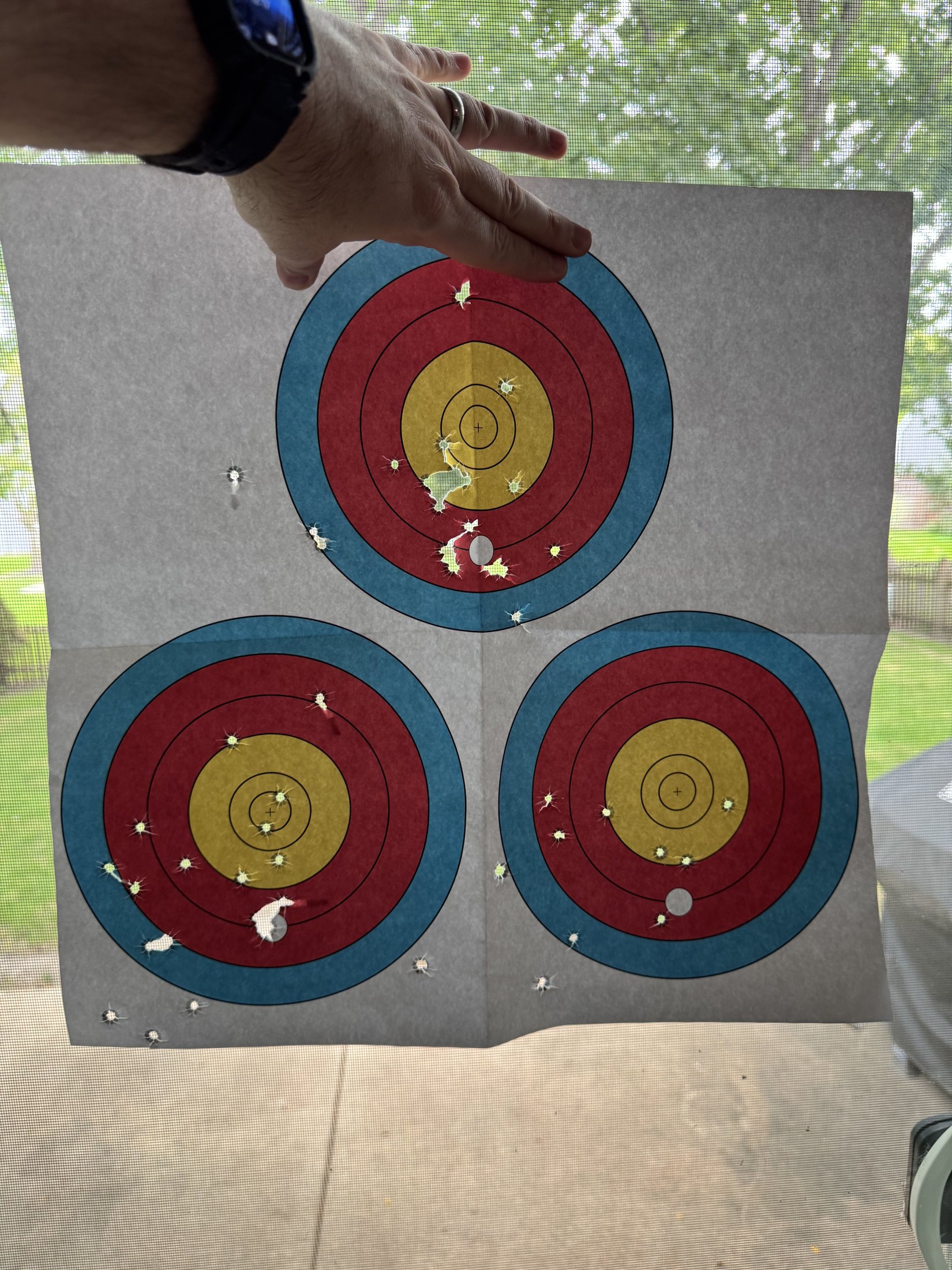
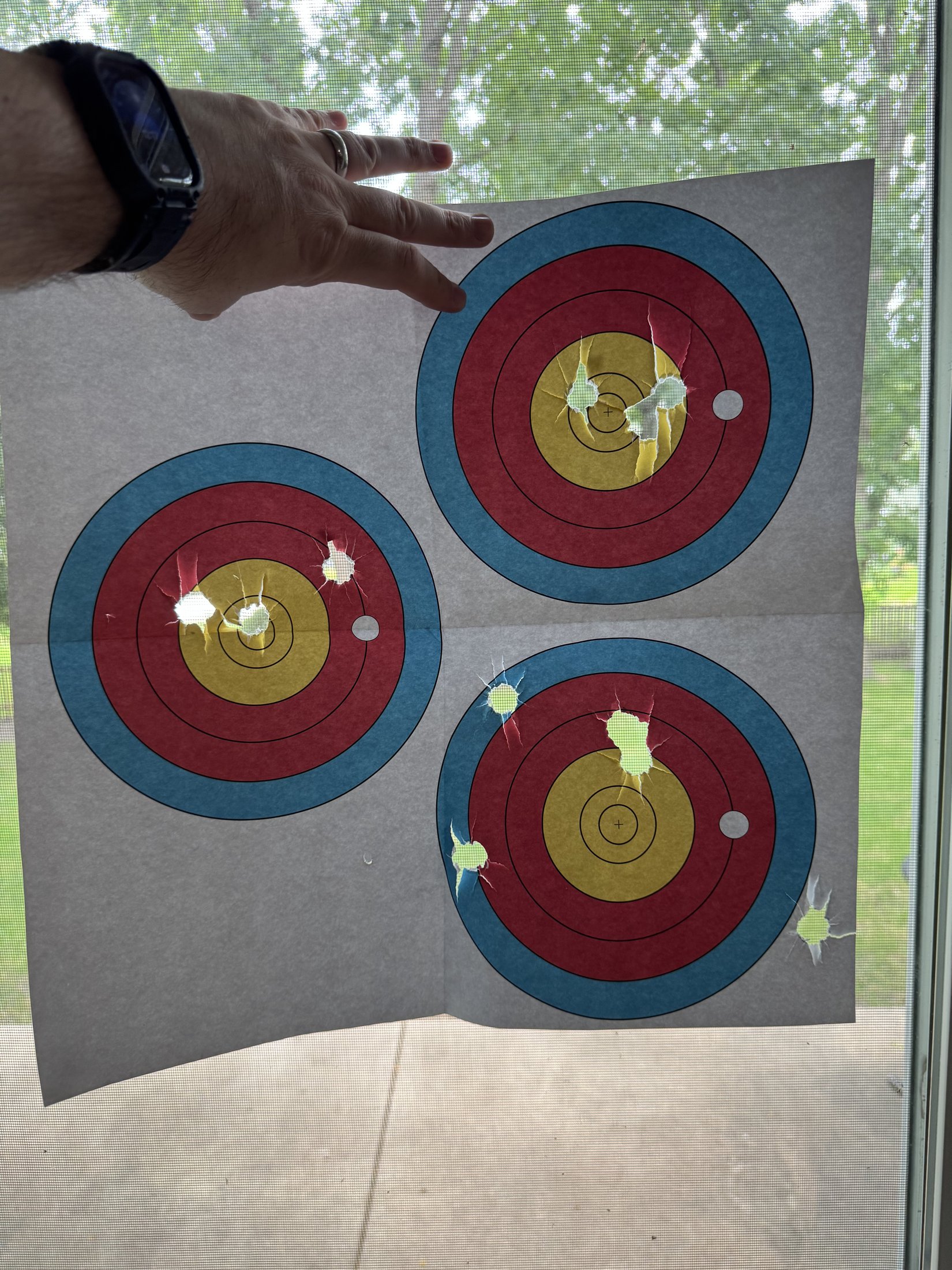
The range was often on my mind in August. Probably didn't help that I was rewatching Yellowstone. For some reason, I'm a sucker for older-style paper punches, be it pump, bolt, or lever. There is just something that is intensely satisfying about performing the motion and hearing the noises that those paper punches make.
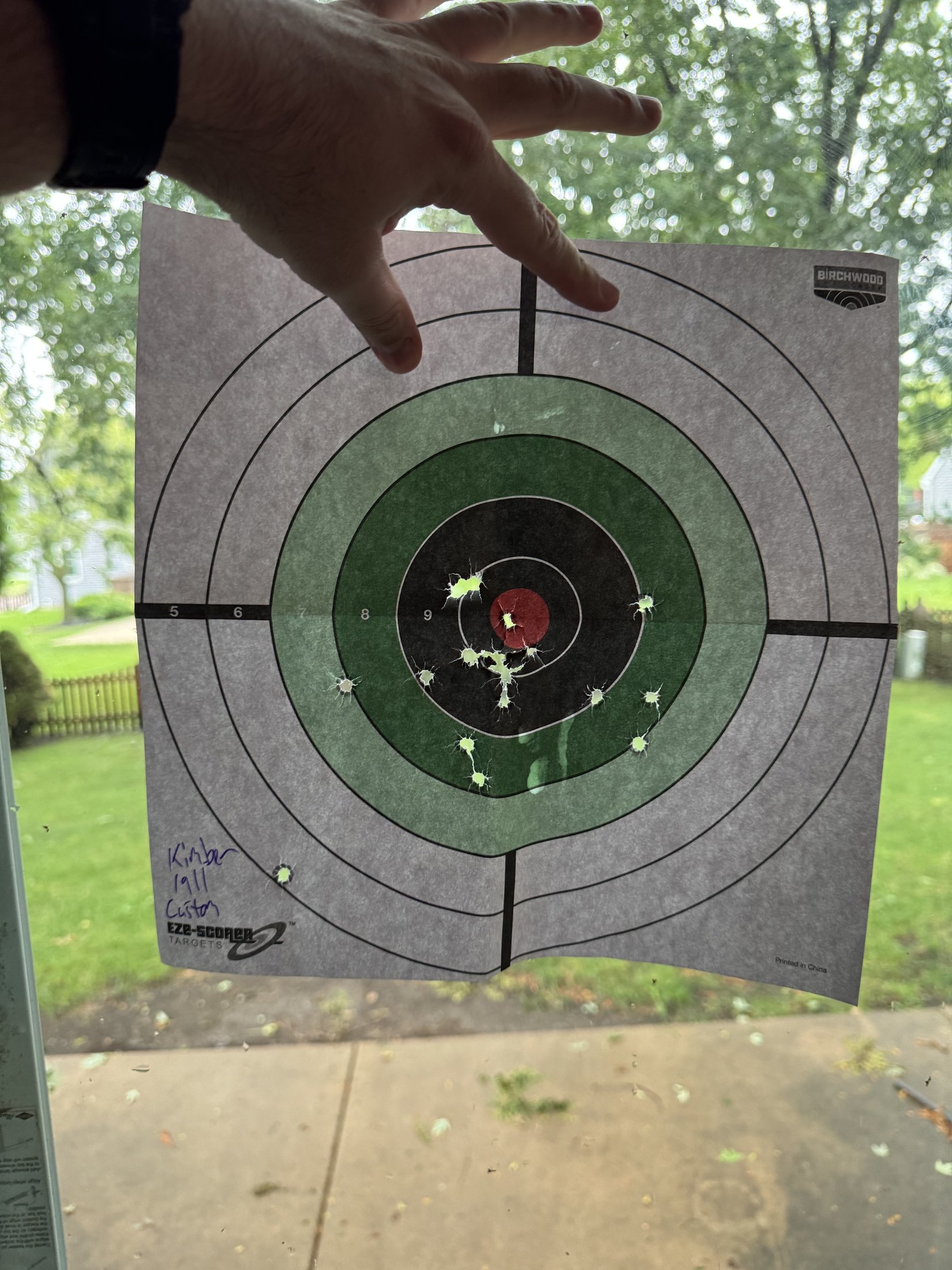
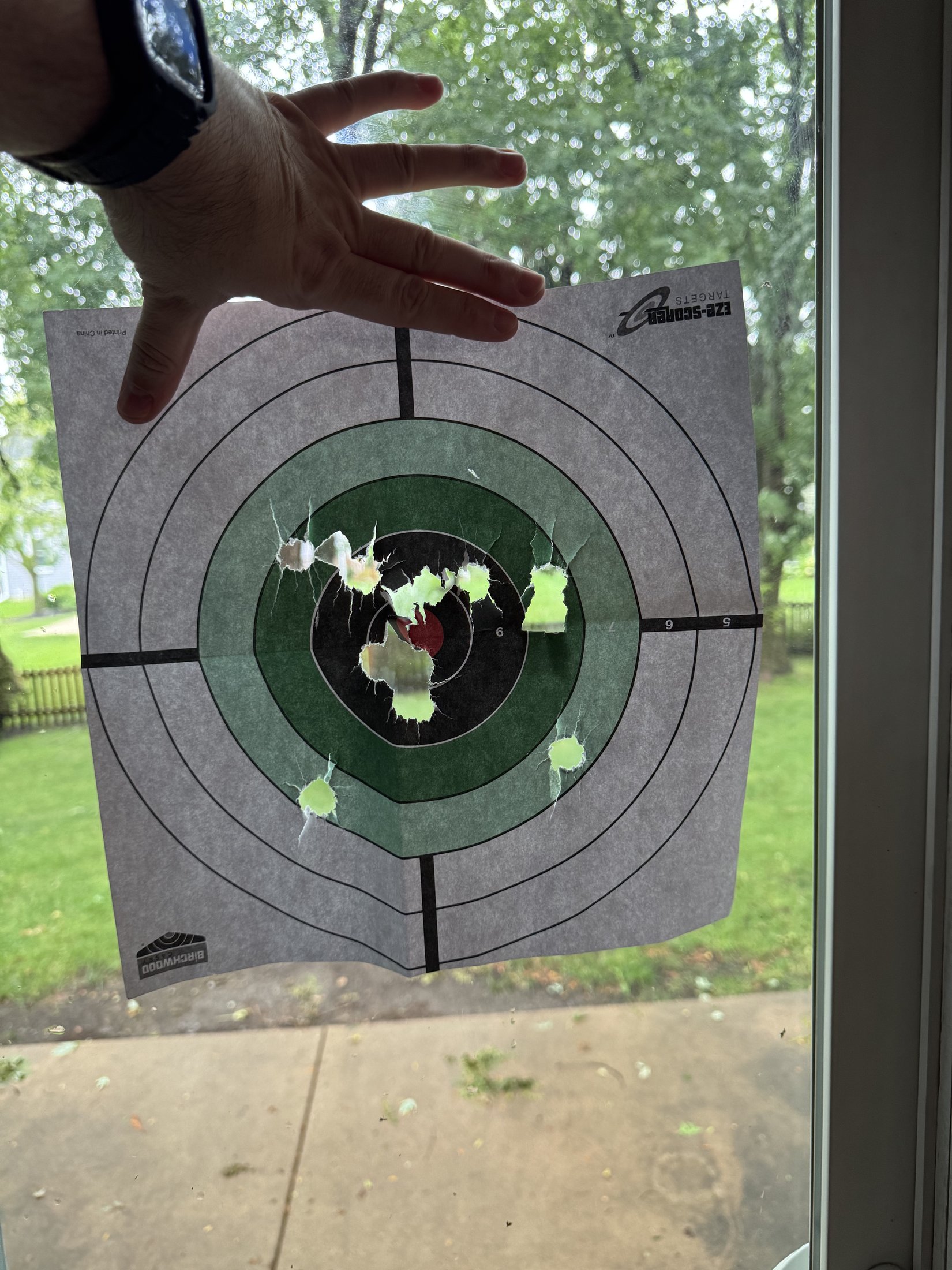
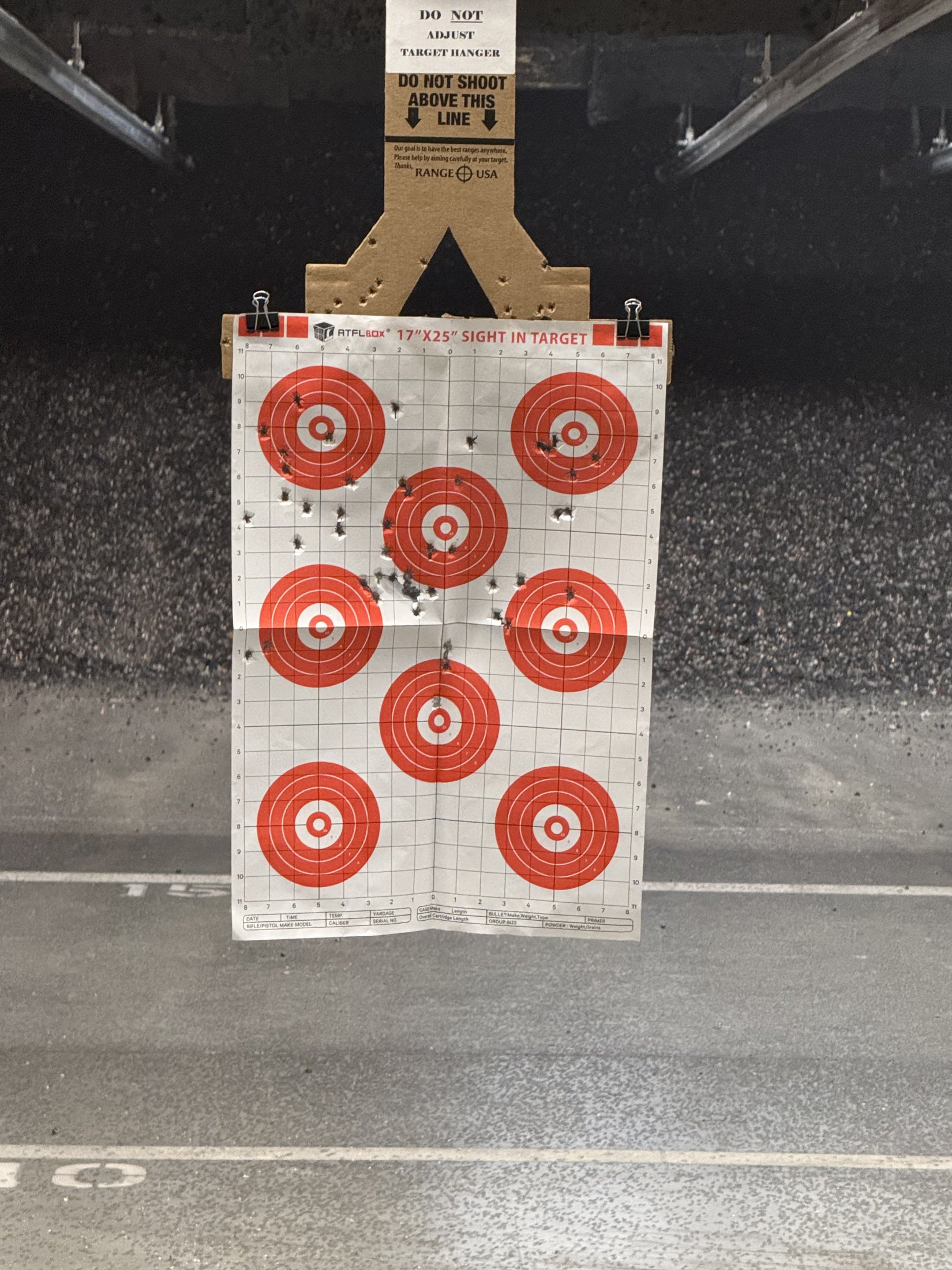
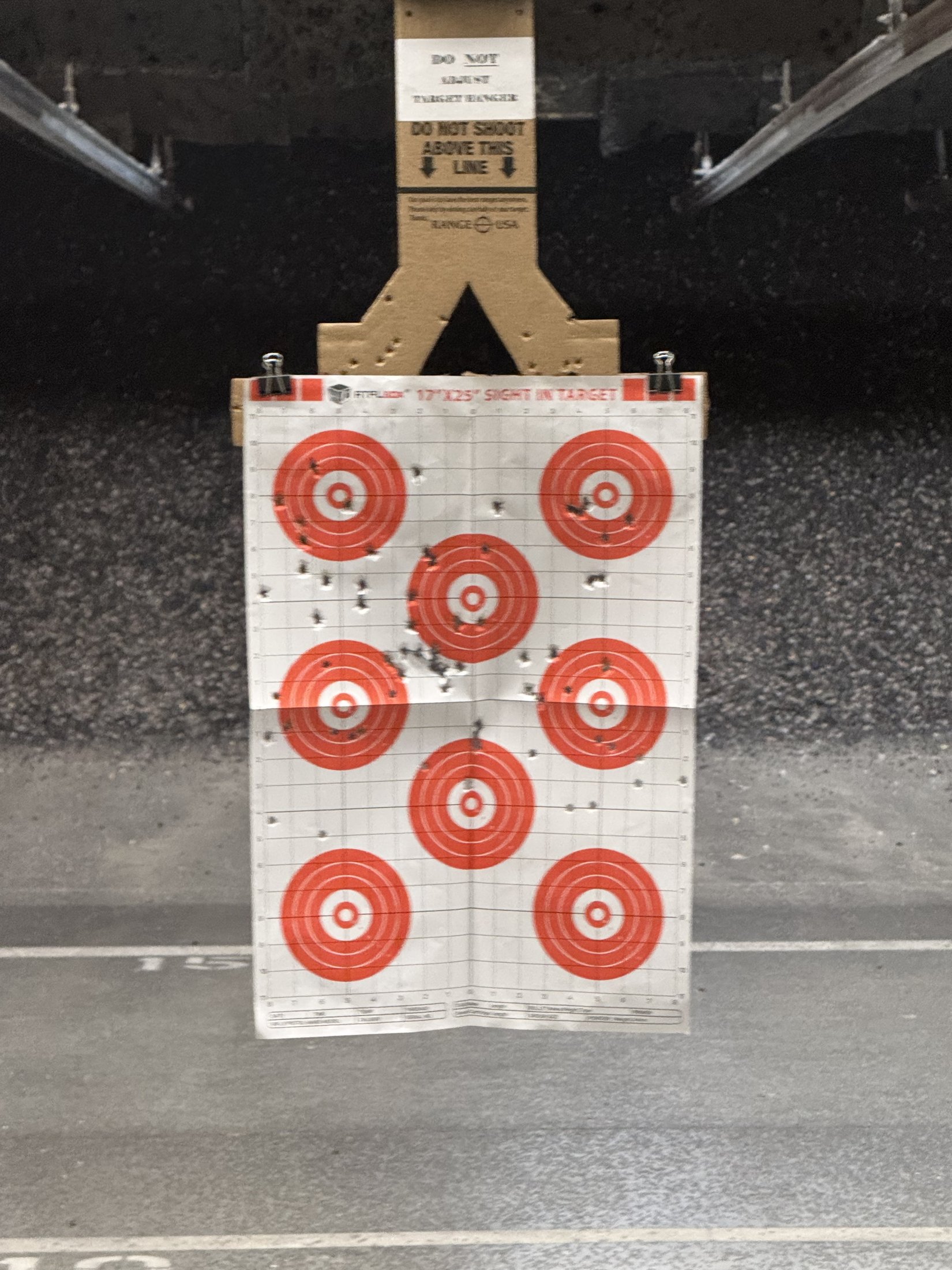
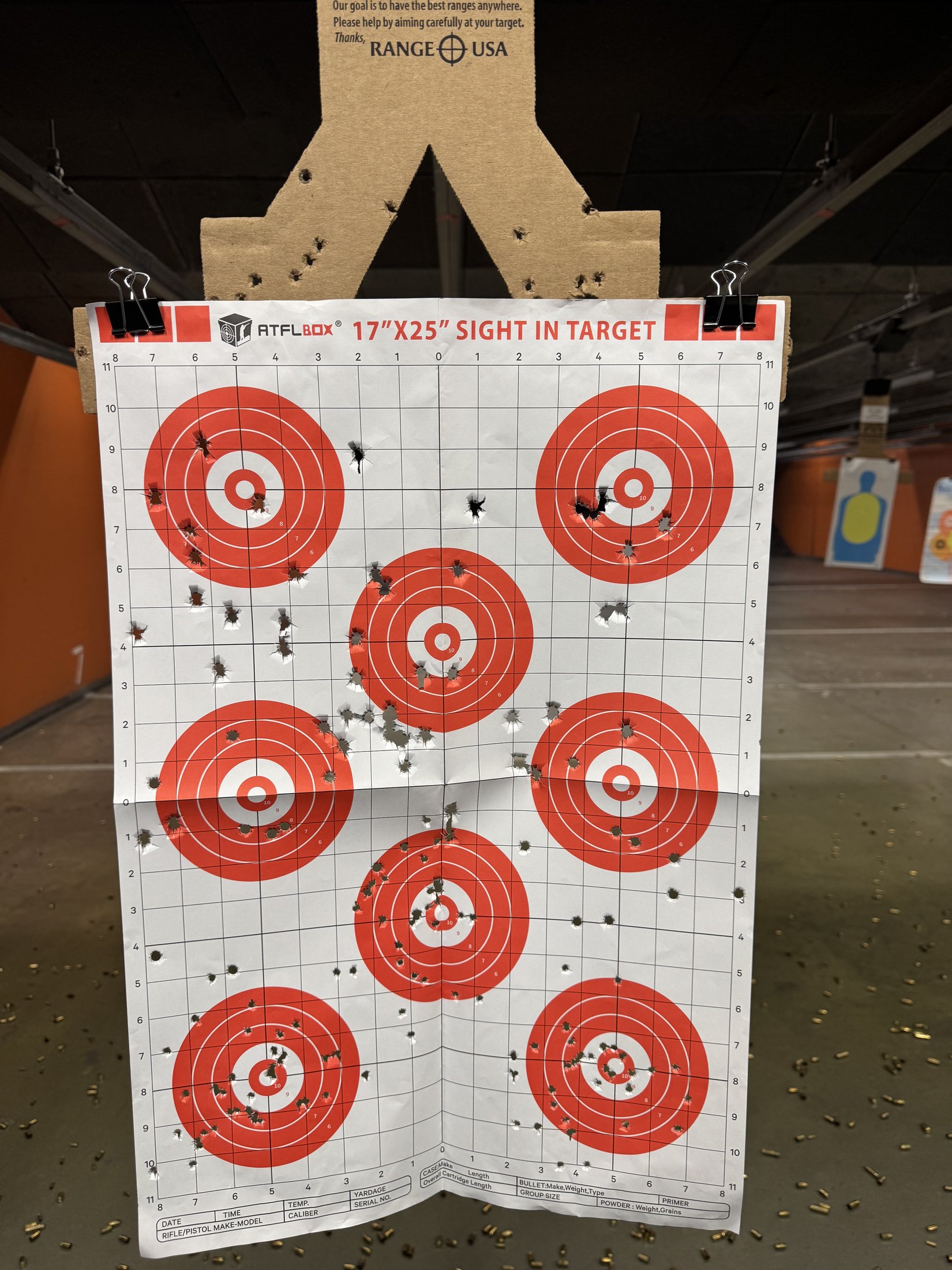
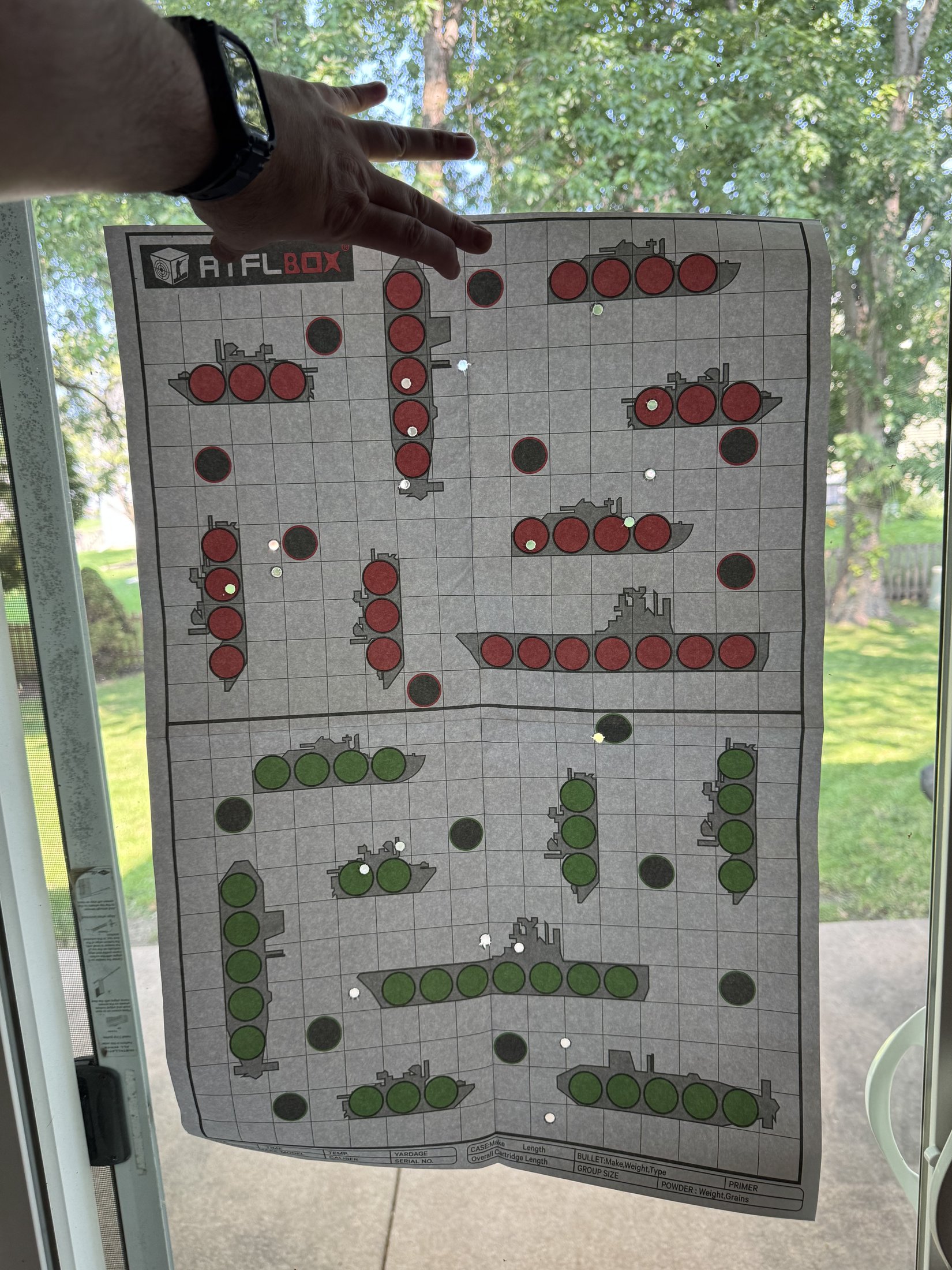
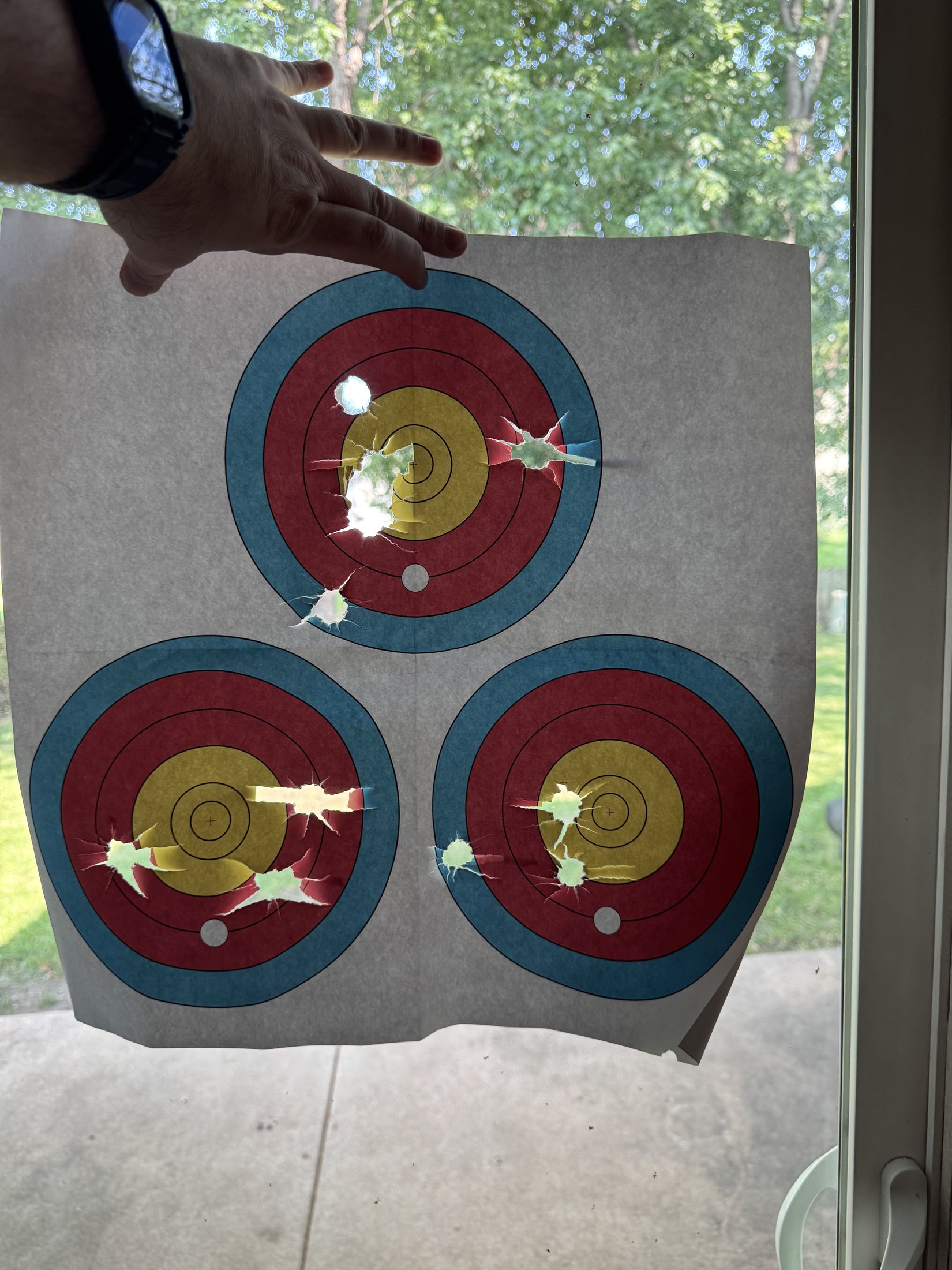
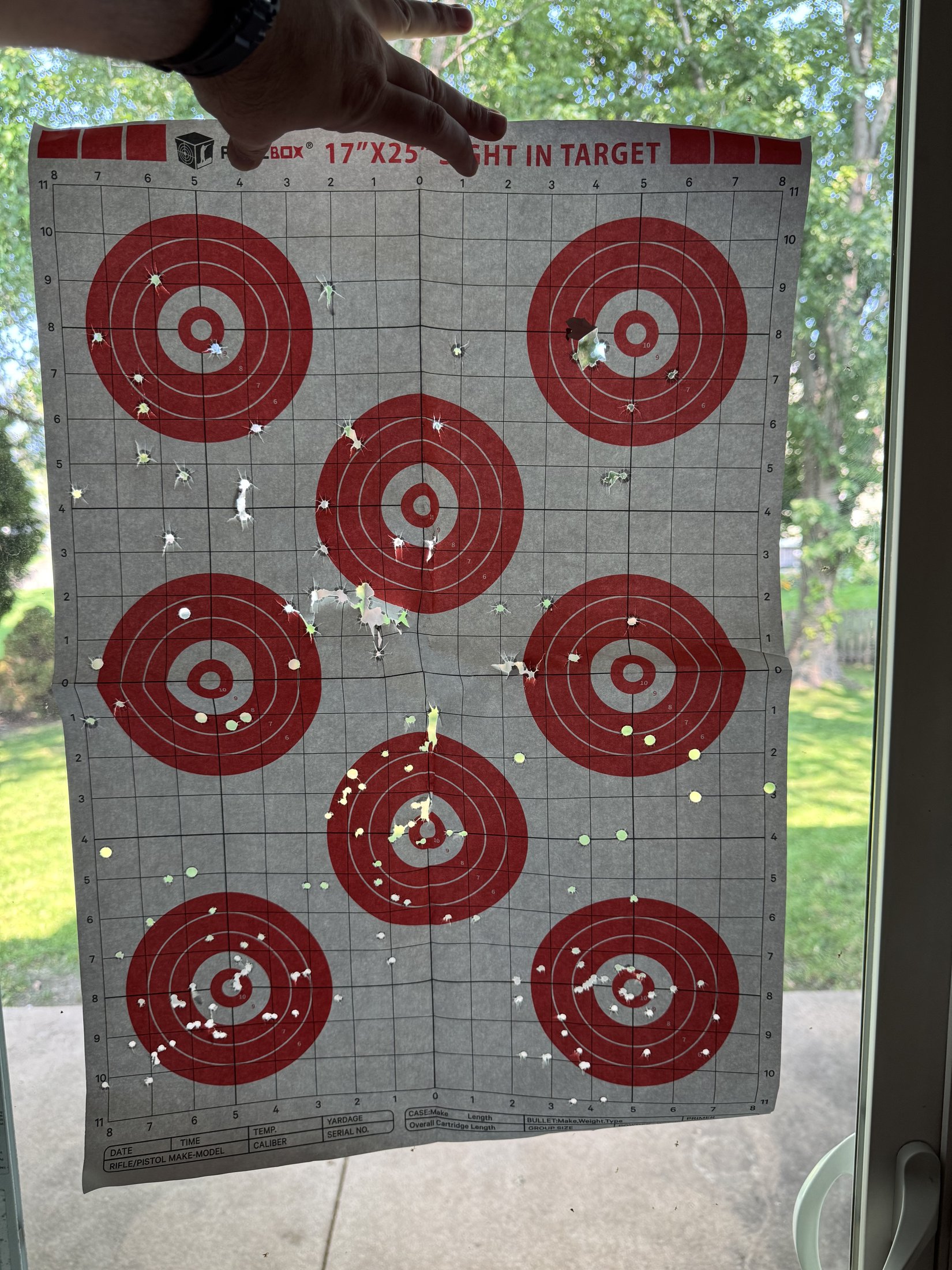
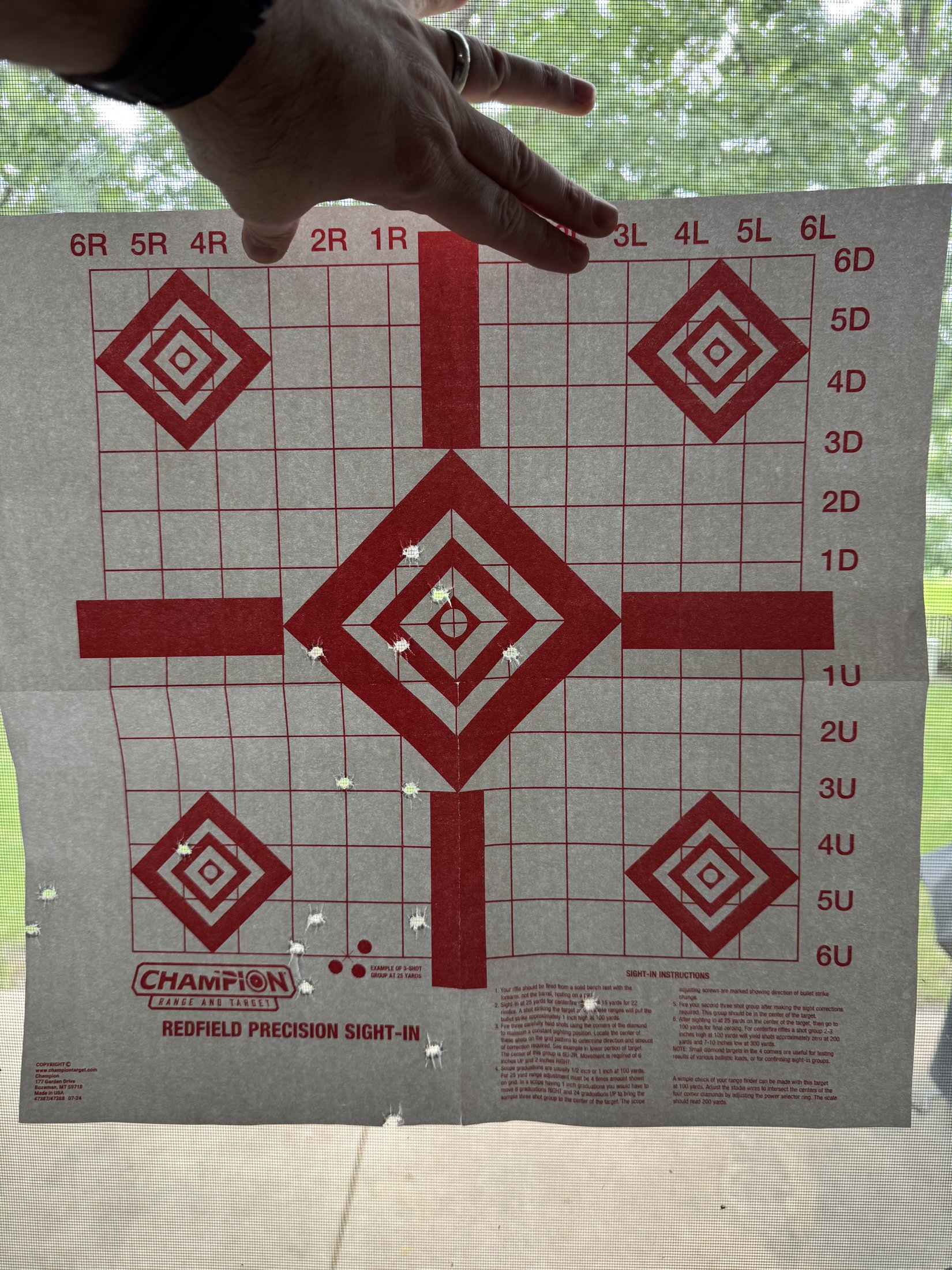
The rentals
Aug 1, 10:24 AM
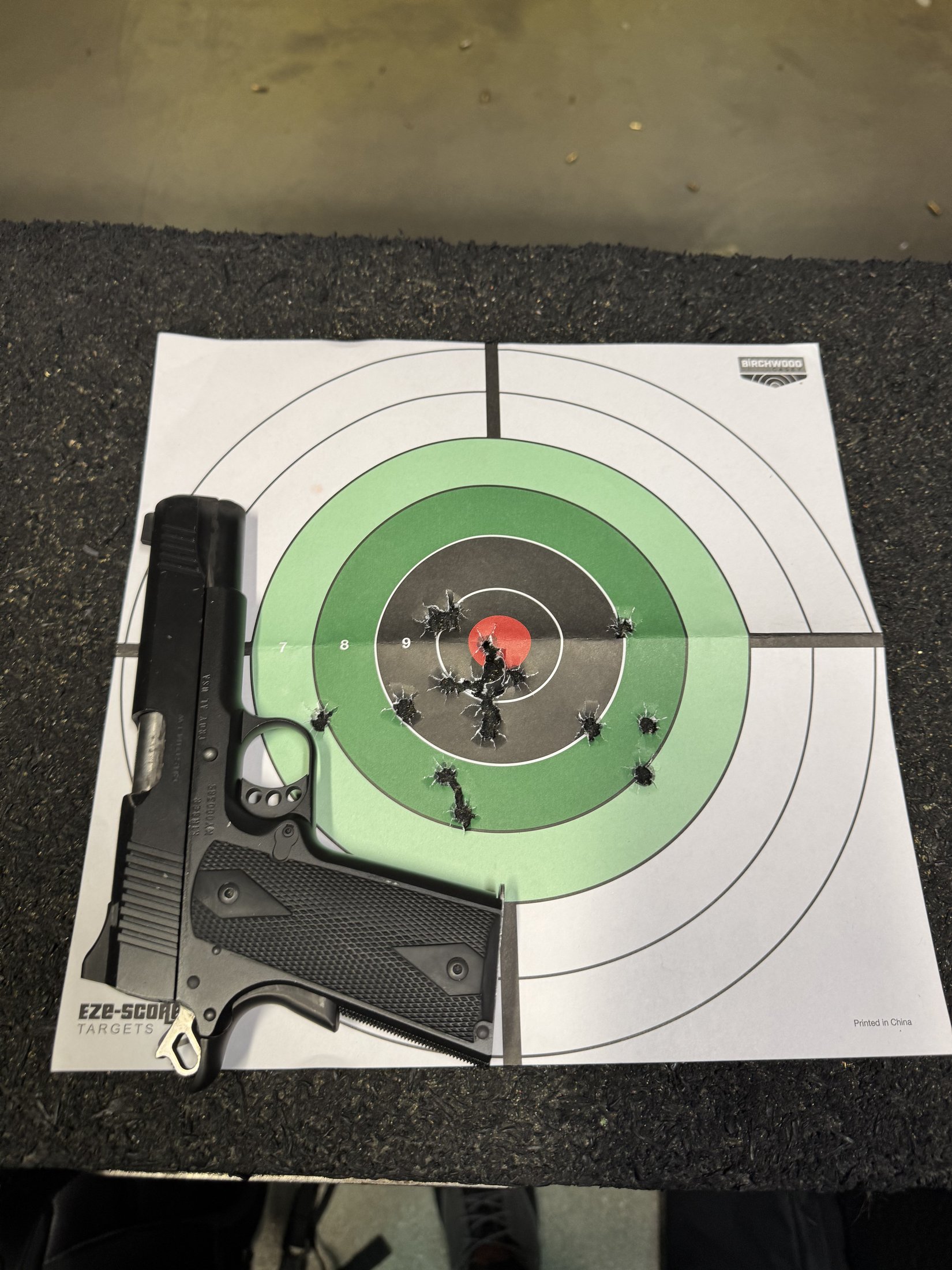
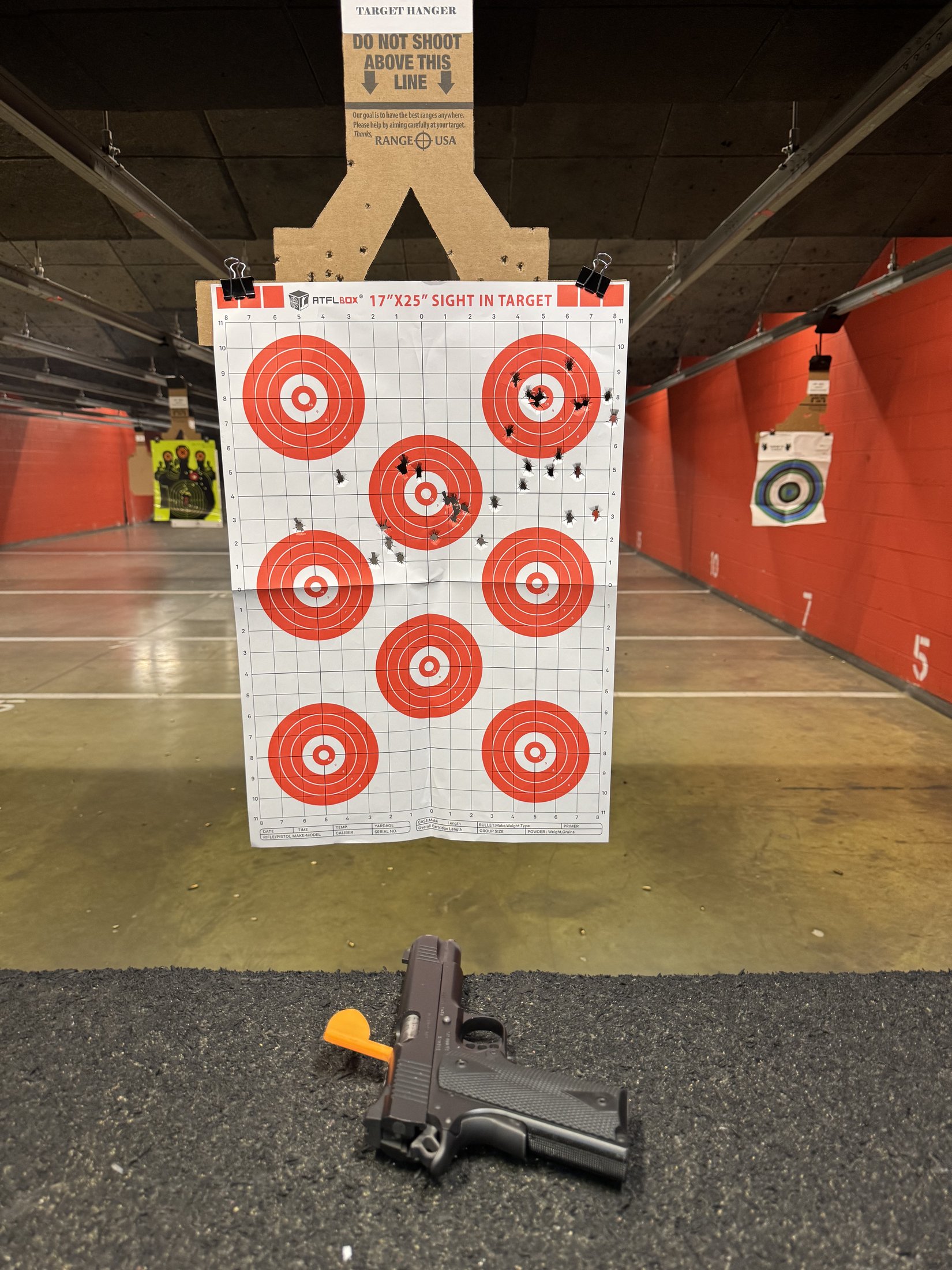
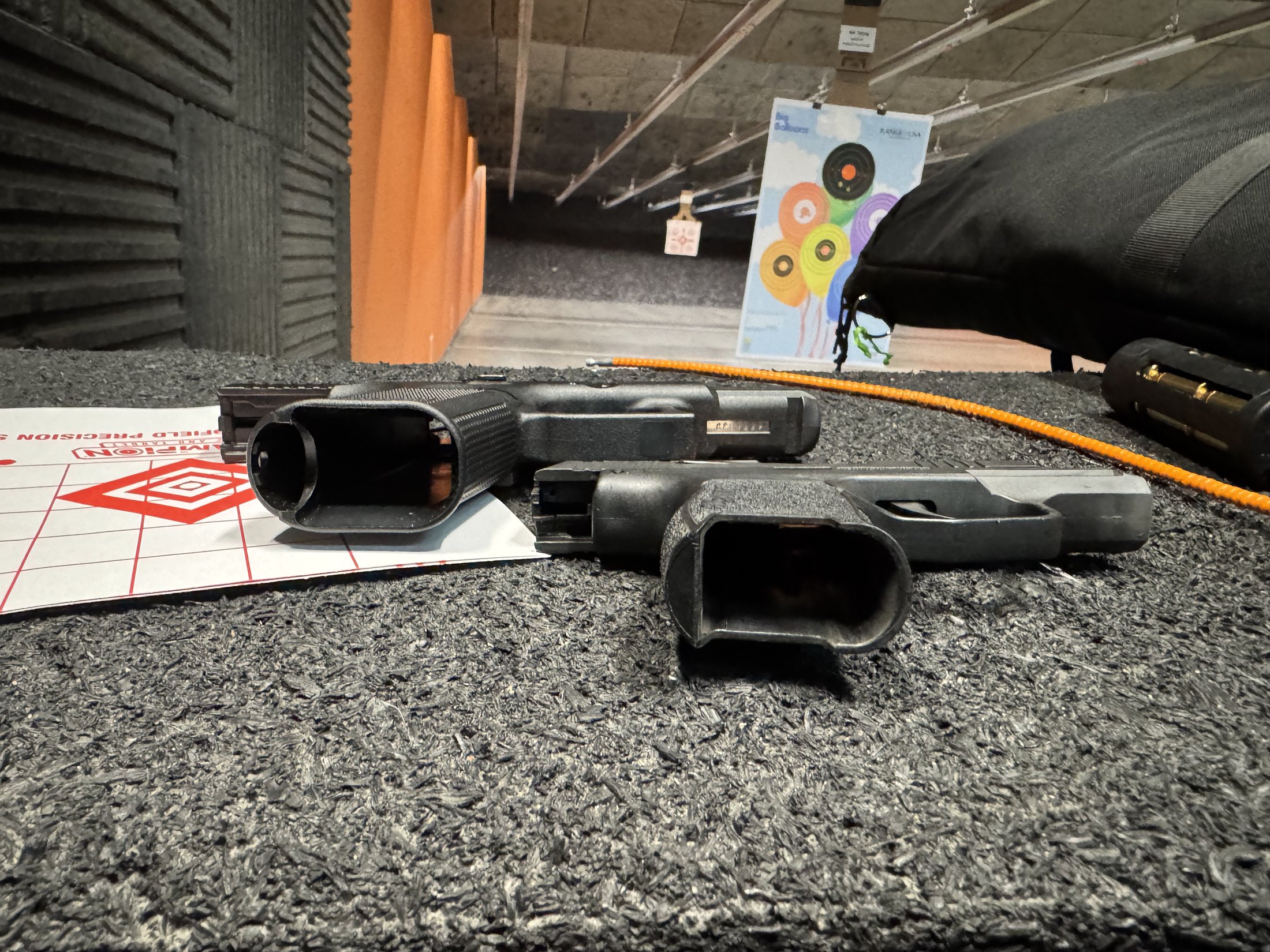
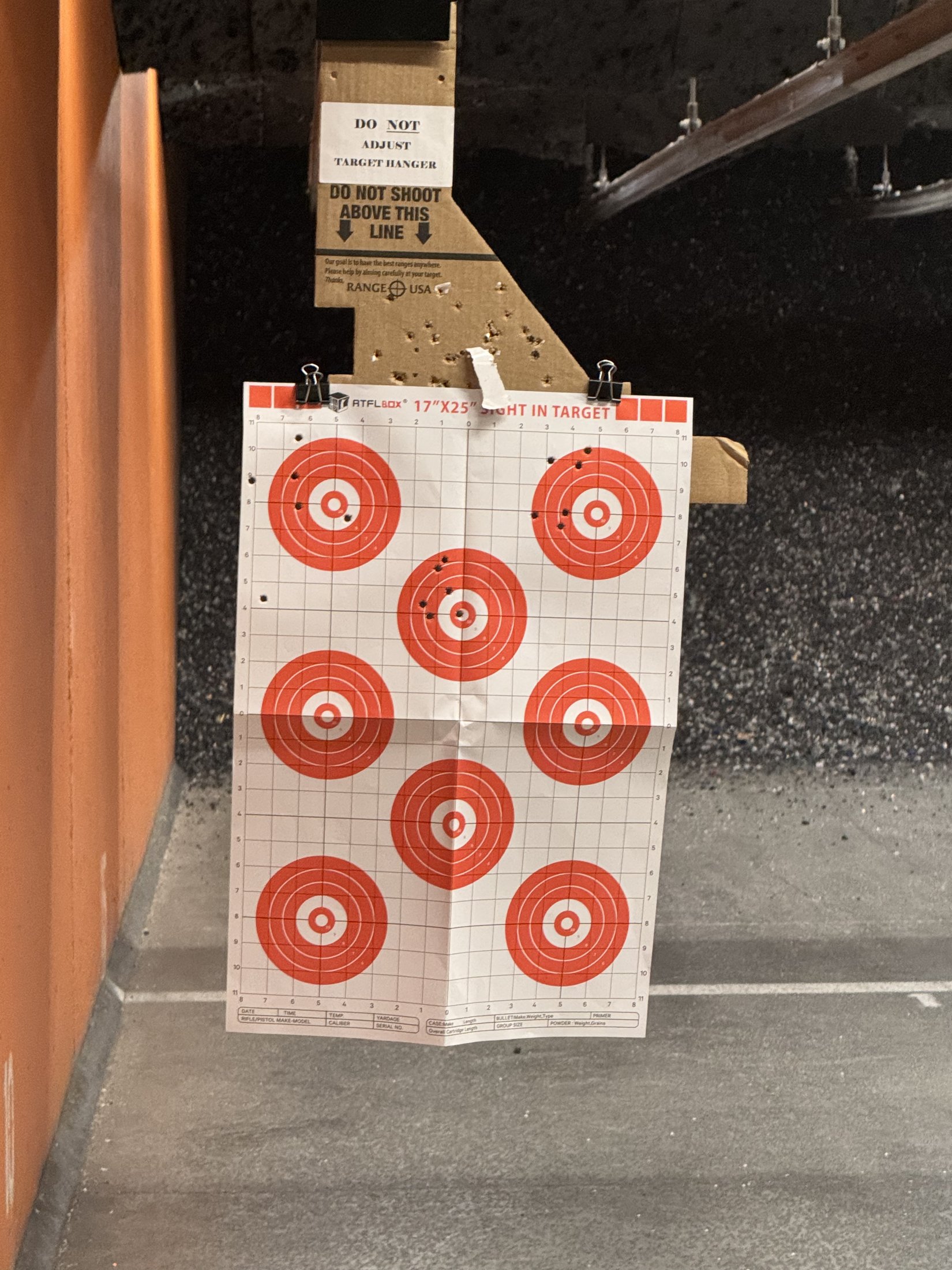
Kimber CW Custom - A single-stack 9mm 1911 handgun. My first time shooting a 1911, and it was nice. It was very accurate for me, and I liked the hammer staying cocked after the first shot. When I went to rent, I asked if they had any 9mm 1911s, and he said, “Well, hopefully they aren't broken.” I asked if that happens frequently, and he didn't really answer, as if it was something he wasn't supposed to say.
Aug 22, 11:56 AM
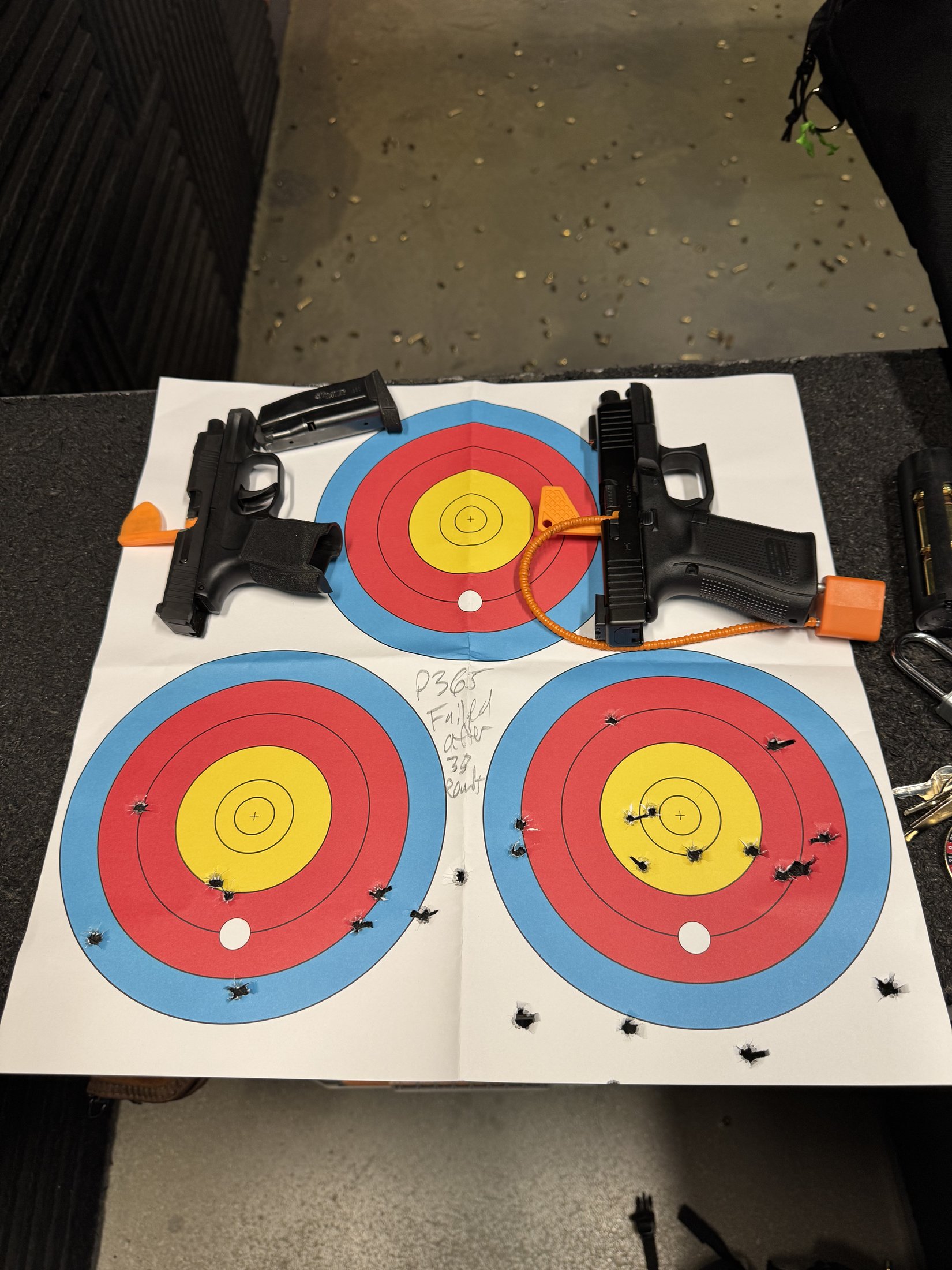
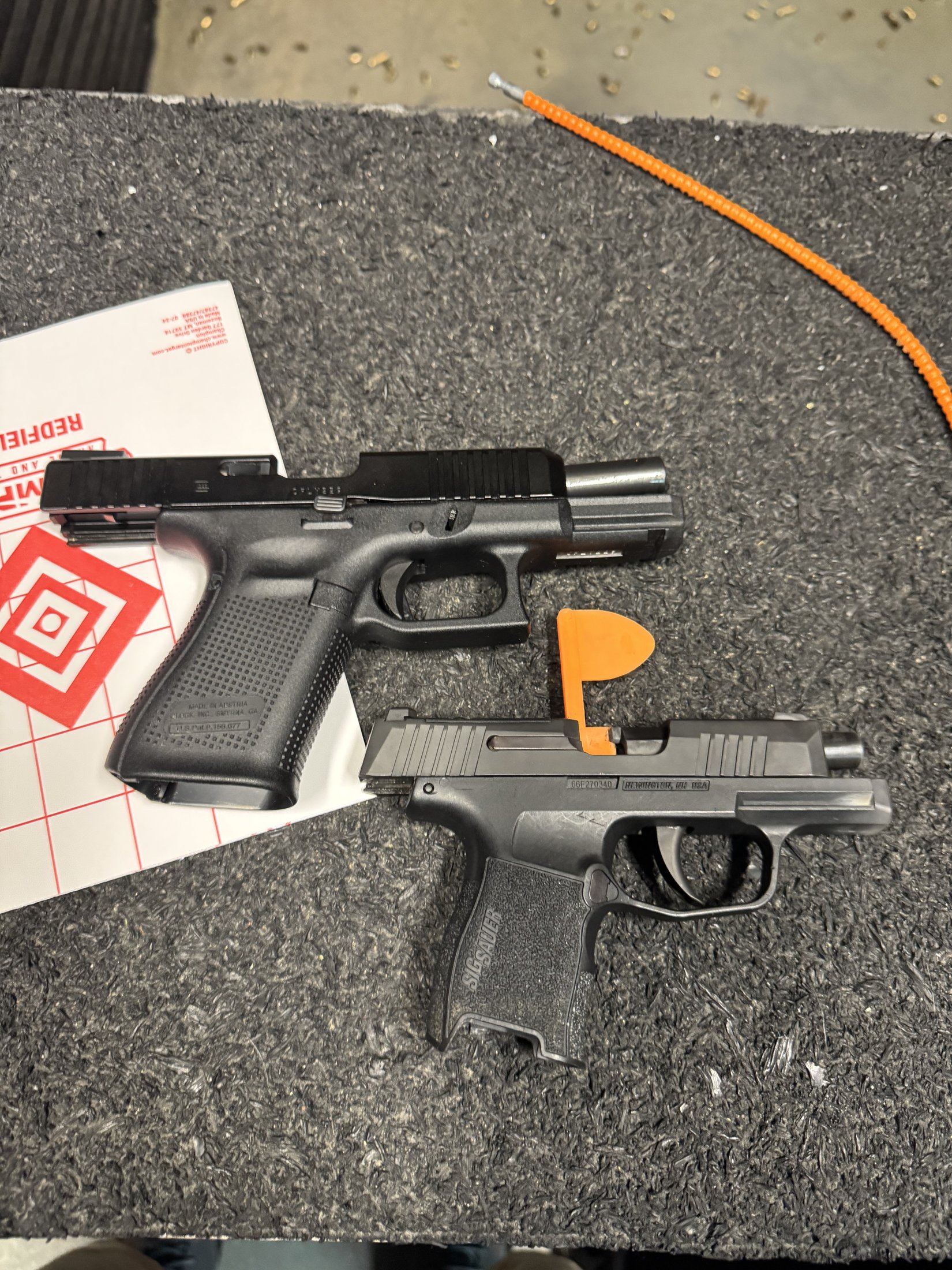
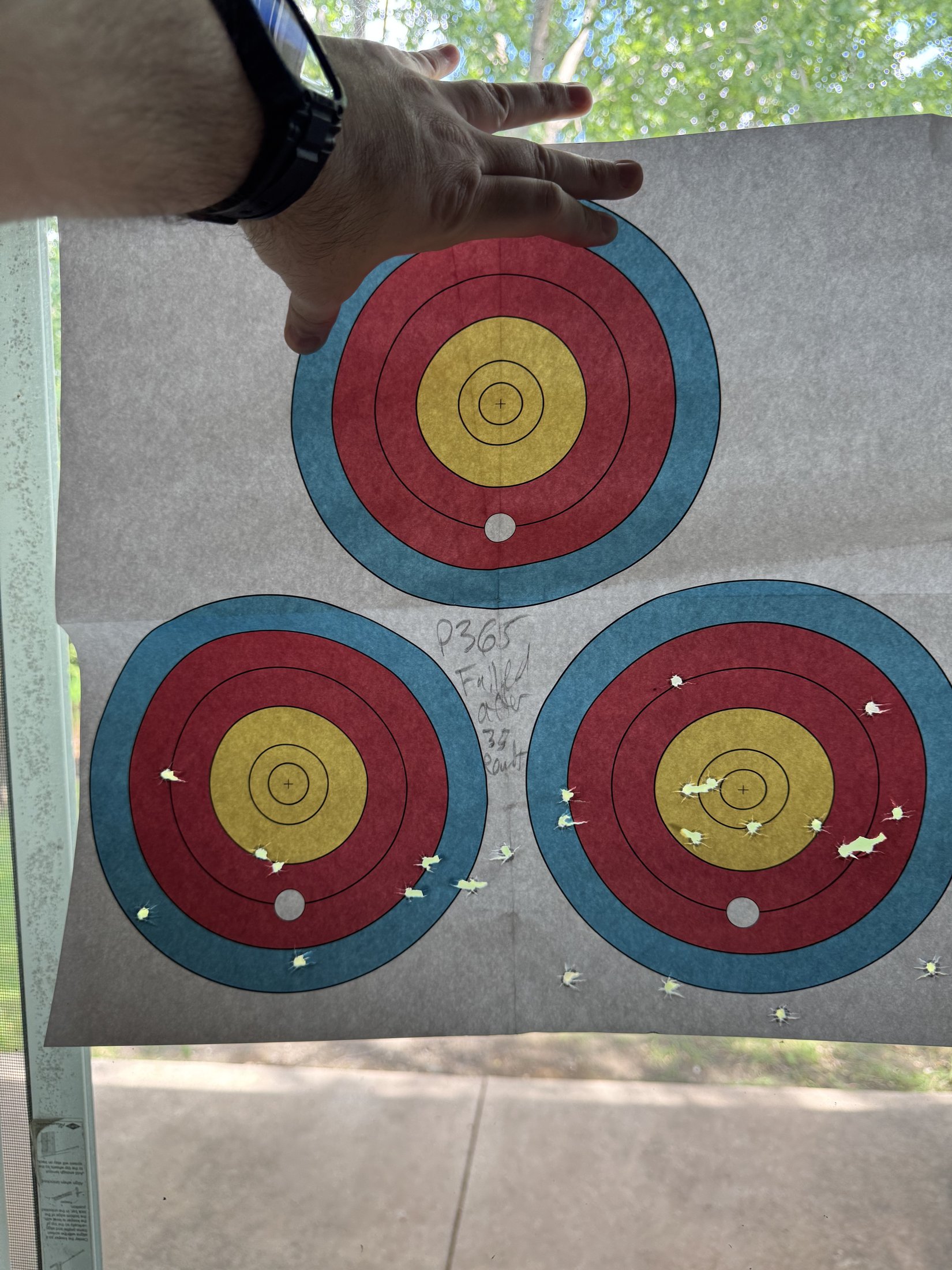
Glock 19 vs Sig Sauer P365. I was looking to try out a smaller 9mm for those times when I need to investigate a sound in the night without busting out the 12 gauge like i would if the alarm is going off. I tried out the Sig Sauer P365 in 380 Auto, and it was nice. The grip size didn't really bother me with the mag extension. It’s worth noting that the P365 stopped functioning after 28 rounds and the trigger refused to be pulled. Now I’ve had plenty of jams/feeding issues with rentals over the last year, but this was the first time I’ve seen a breakdown.
Jully 2026 Summary
2026-08-09
Between work and other life events, there hasn't been a lot of time spent on project GBH. Most of the time I spent working on it; was working on the storyline. I may need to enlist another writer to help me punch up my in-game banter. This is the first weekend I've touched code since late June. With my daughter in town the past week, centered around family time. The last few days took me deep into another side project. I'm looking to create a multi-pew backpack insert. My intern helped take rough shapes on paper to a digital view that I could manipulate until I found a configuration that would work. I also rigged it up so I could print at 1:1 size as well as export to Shapr3D. Now the question for this project is that of materials to support this creation, as it is placed in my bag and removed without the pew tearing itself out and getting damaged.
GBH June 2026
2026-06-28
6/13/2026
- [ ] Drivable golf cart
- [ ] Hand animation for turning golf cart wheel
- [ ] vegetation generator bound to mesh
- [ ] game type menu for story or freeplay mode
- [ ] Building out the operator home
- [ ] Operator able to set on chairs without hands in driving hands
- [ ] New assets
    - [ ] Golf Cart
    - [ ] Trees, Bushes, Weeds, Flowers
    - [ ] House stuff, houses
- [ ] Procedurally generated river, started work on “deck hand” scene.
- [ ] Menu fixes

6/19/2026
- [ ] Tope tie off mini game
- [ ] bug fixed walking, running, flowing down river
- [ ] drowning prototype
- [ ] river boats turning naturally
- [ ] river boats spawning with variety
- [ ] river boats avoiding tow / barges
- [ ] fixed trees spawning on proc river
- [ ] water not bleeding through barges
- [ ] player not drowning while in barge
- [ ] tested paid version of meshy.ai; models look good from a distance, up close they are quite rough.

6/29/2026
- [ ] Rewrote the beginning of the story.
- [ ] Meshy.ai model of a great blue heron
GBH - HDR Unity, boat colors, boat clipping
2026-06-07
Highlights from this weekend in GBH:
- [ ] HDR Water (mostly)
- [ ] Fixed cameras for HDR
- [ ] Added boat colors into boat spawn arrays
- [ ] Added a Continue Game button to the menu
- [ ] Started writing prolog, and night one in Inkly
- [ ] boats not passing through each other, but going off like boats would
- [ ] modeled radio, added knobs, power light, power switch, mic, speaker
- [ ] radio-controlled traffic from the control room, a work in progress. Still a bit buggy.
GBH week 3
2026-05-31
interactable doors
turning control knobs that interact with the world
control lever
Room and door modeling on the Tow Boat
working Security camera feeds
Control room readouts with sim data, like water level.
Moved the operator start point to the control room
Tow + Barge spawn and layout control for lock traffic
Great Blue Heron aka GBH going foward.
2026-05-25
It was a three-day holiday weekend, so a lot of progress was made.
- Operator 3d movement
- Operator 3rd person follow mode
- Operator first-person view with fly and no clip when in dev mode.
- Operator walk/run animations and speed
- Operator physics/clipping on objects
- World scale adjustments to match the operator
- Unity store asset integration of recreational boats
- Started modeling tow-boat and flat front barges
- Started writing story player dialog trees